
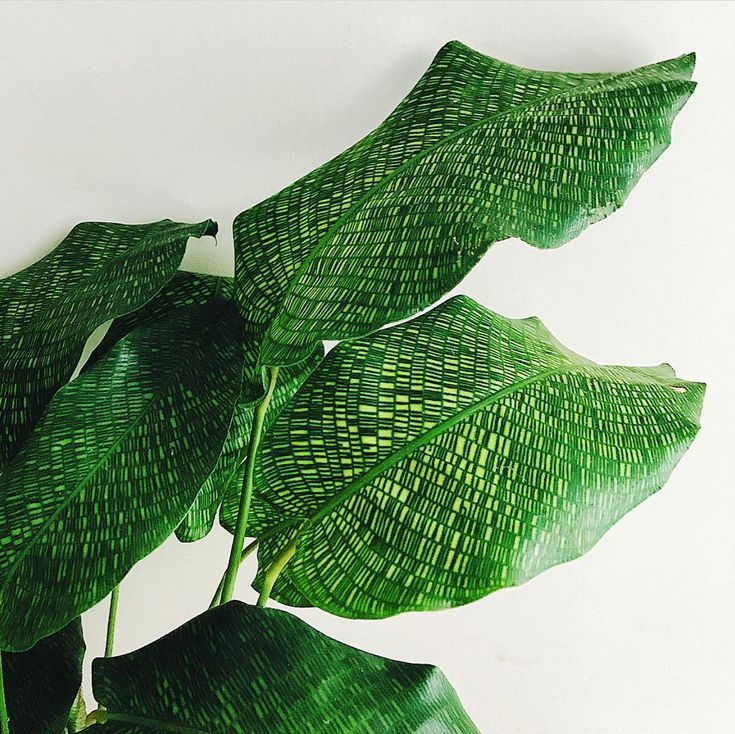
Calathea musaica in Terrariums: Suitability, Behaviour and When to Use It
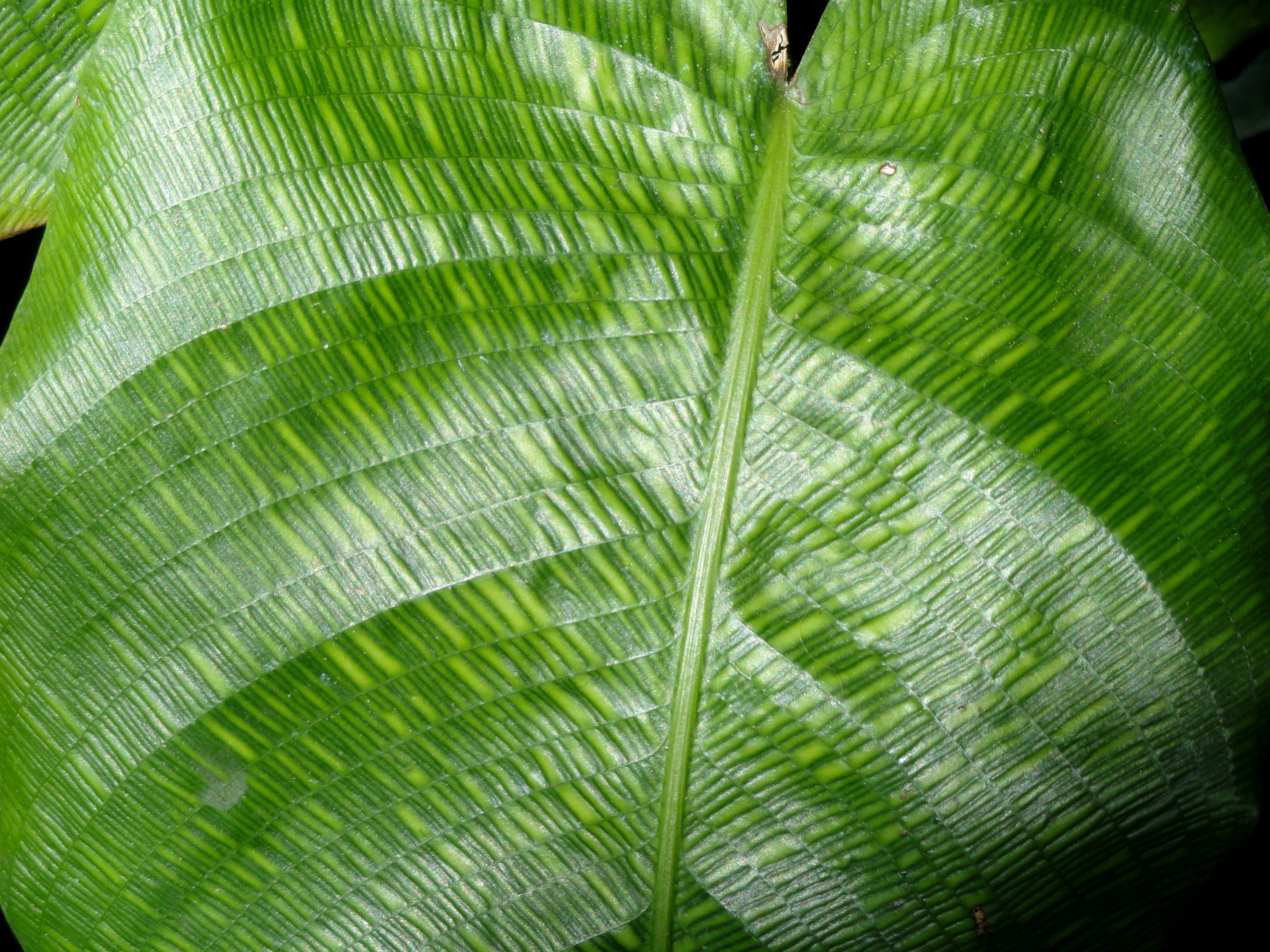
Calathea musaica, commonly known as the Network Plant, is grown for its intricate, grid-like foliage. It is occasionally used in terrarium builds for its fine visual detail, although it requires stable conditions to perform well. Availability can vary, so current listings can be found here:
Calathea musaica on Etsy.
Calathea musaica summary
It performs well in controlled, humid environments, but only under the right conditions. In unsuitable setups, it declines quickly.


Terrarium suitability overview
- Closed terrariums: Suitable in medium to large builds only
- Open terrariums: Suitable if humidity remains high
- Small sealed jars: Not suitable
- Paludariums: Suitable
Plant profile
- Difficulty: Moderate
- Growth rate: Slow to moderate
- Maintenance: Medium
- Humidity: Moderate to high (60%+)
- Temperature: 18–27°C (64–81°F)
Terrarium suitability
Calathea musaica is suited to larger, stable terrariums, where humidity, temperature and moisture remain consistent.
It is not suitable for small sealed jars or low-maintenance builds.
Most failures occur when this plant is placed in containers that are too small or too stagnant. In those conditions, airflow is limited, roots become stressed, and leaf damage appears quickly.
Why use Calathea musaica
- Distinctive mosaic foliage adds fine visual detail
- Works as a structured contrast against softer plants
- Provides a non-trailing, upright element in tropical builds
Where it works well
- Medium to large enclosed terrariums
- Glass environments with stable humidity
- Setups with consistent light and temperature
- Displays where foliage detail and structure are needed
Where it fails
- Small, sealed containers with no airflow
- Terrariums with fluctuating moisture levels
- Low-light environments
- Overcrowded plantings
In small vessels, decline is usually visible within weeks as leaf edges brown and growth slows.
Climate and temperature
- Optimal range: 18–27°C (64–81°F)
- Lower threshold: ~15°C (59°F)
- Humidity: Moderate to high (60%+)
Stability is more important than exact temperature. Sudden drops or drafts can cause immediate leaf damage.
Light requirements
- Bright, indirect light maintains strong leaf patterning
- Low light reduces definition and slows growth
- Direct sun can scorch leaves in enclosed glass
Water and substrate behaviour
Calathea musaica requires evenly moist conditions, but is sensitive to saturation.
- Substrate should remain lightly moist, never wet
- Works best in an airy tropical mix
- Drainage layers and charcoal help prevent stagnation
In enclosed builds, excess moisture accumulates quickly. This is one of the most common failure points.
Growth behaviour in terrariums
- Slow to moderate growth
- Expands outward rather than trailing or climbing
- Requires space to maintain leaf quality
In undersized containers, growth becomes compressed and foliage quality declines.
Placement within a terrarium
- Best used as a mid-layer structural plant
- Positioned behind moss or ground cover
- Requires spacing from glass to prevent leaf damage
- Not suited to foreground placement
Compatible plants
- Fittonia
- Leucobryum glaucum moss
- Small ferns
- Other humidity-tolerant tropical foliage
Compared to Fittonia, Calathea musaica is less forgiving and requires more stable conditions.
Lifespan in a terrarium
- Short-term display: Suitable
- Long-term enclosed terrarium: Possible with maintenance
- Requires pruning or replanting over time
Common issues
- Leaf browning from inconsistent moisture
- Crisping edges from low humidity or mineral buildup
- Root stress in compact containers
- Decline in stagnant environments
Most issues are caused by environmental instability rather than the plant itself.
Where to buy
Explore the terrarium plant library
Calathea musaica is one of many tropical plants suited to humid terrarium environments. For broader plant selection and compatibility, explore the full plant library: