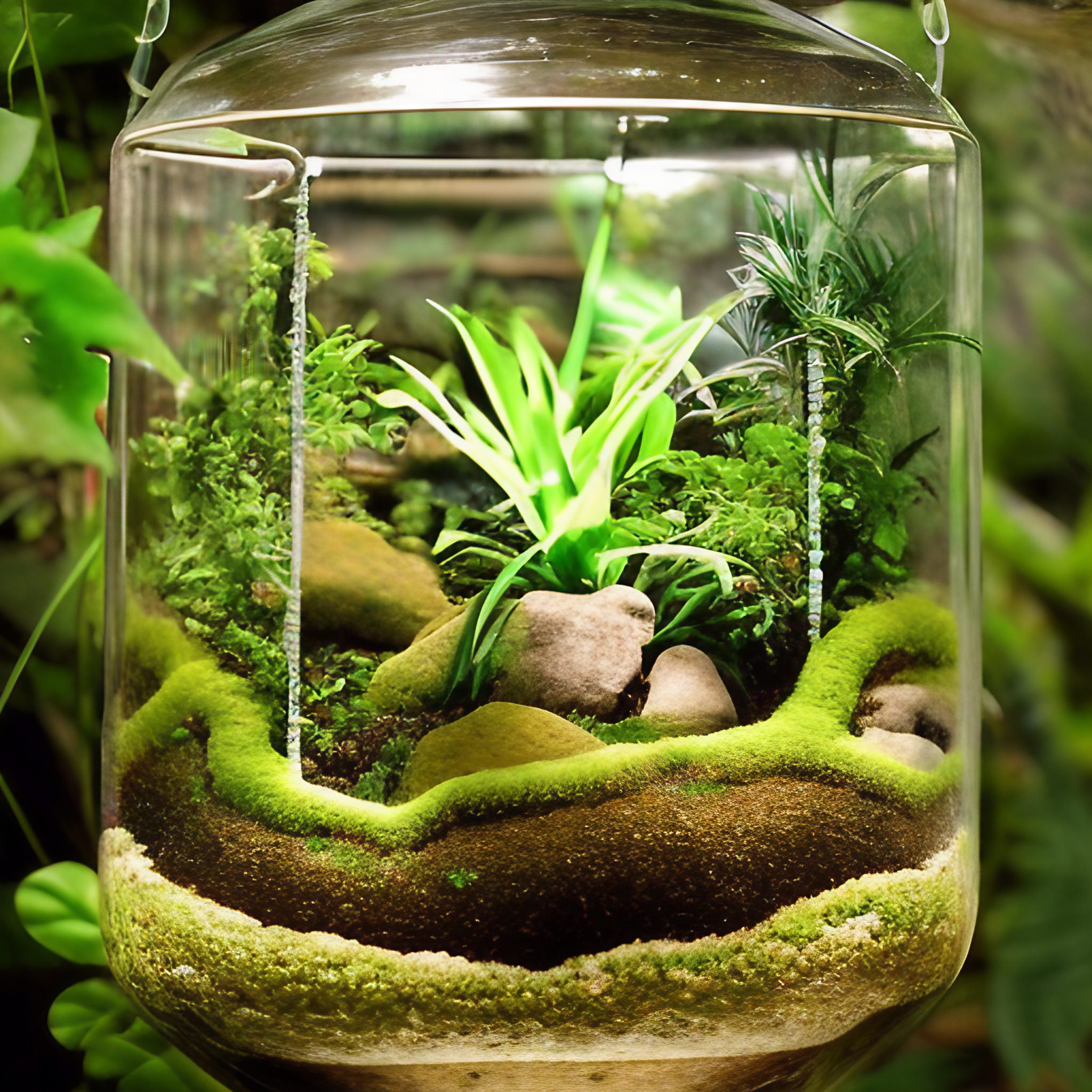
Closed terrariums are one of the easiest ways to create a thriving, self-contained indoor garden — but only if you choose the right plants.
Unlike open setups, closed terrariums create a warm, humid microclimate, recycling moisture through evaporation and condensation. That means not every plant will survive — but the right ones will absolutely thrive.
If you’re not sure where to start, this guide will walk you through the best options — with links to our Terrarium Plant Library so you can explore each plant in detail.
What Makes a Plant Suitable for a Closed Terrarium?
Closed terrariums are:
- High humidity
- Low airflow
- Indirect light
- Consistently warm
The best plants are those that naturally grow in rainforest or tropical conditions — compact, slow-growing, and moisture-loving.
Avoid plants that:
- Prefer dry soil, like succulents and cacti
- Grow too quickly and take over the space
- Require strong airflow or drier conditions.
Best Plants for Closed Terrariums
Trailing and Easy-Care Plants
These are ideal for beginners and add natural movement to a terrarium without being overly fussy.
- Golden Pothos (Epipremnum aureum)
A hardy, low-maintenance trailing plant that handles humidity well and adapts beautifully to enclosed environments. - Philodendron hederaceum
A classic heart-leaf trailing plant that suits humid terrariums and is easy to keep tidy with occasional pruning. - Philodendron Brasil
A more decorative option with variegated foliage, ideal if you want a little more colour and contrast.
Ferns (A Closed Terrarium Essential)
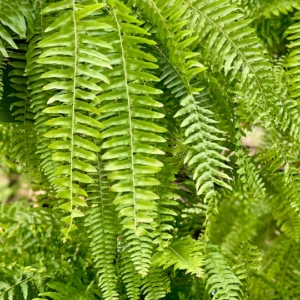
Ferns are among the most reliable choices for closed terrariums because they naturally enjoy moisture, filtered light, and stable conditions.
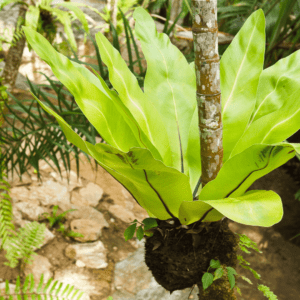
- Crispy Wave Fern (Asplenium nidus)
Great for adding structure and lush upright foliage. - Lemon Button Fern
Soft, compact and especially well suited to smaller glass vessels. - Boston Fern
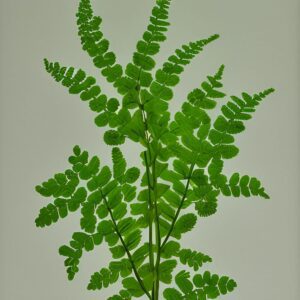
A classic fern choice for a soft, full look, especially in larger setups. - Spider Ferns (Arachniodes simplicior)
Another excellent option for texture and a woodland feel.
Compact Foliage Plants
These smaller foliage plants are perfect for layering, adding colour variation, and creating depth within a planted terrarium.
- Fittonia albivenis (Nerve Plant)
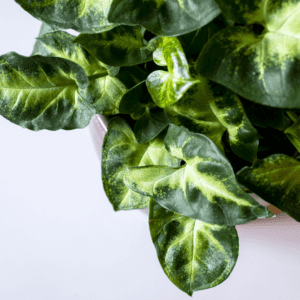
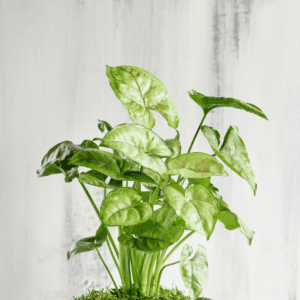
One of the most popular closed terrarium plants thanks to its compact form and striking veined foliage. - Syngonium Pixie
A neat, smaller-growing Syngonium that works well as a feature foliage plant. - Syngonium Arrowhead (podophyllum)
A versatile option with attractive leaf shape and dependable performance in humid environments. - Moon Valley Pilea (Pilea involucrata)
A richly textured foliage plant that adds interest and contrast to closed designs. - Peperomia Rosso
A compact and attractive plant with dark green foliage and red-toned undersides.
Moss (The Foundation Layer)
Moss helps a terrarium feel established and natural. It also softens the landscape, retains moisture, and fills empty spaces beautifully.
Moss is especially useful for creating that lush, miniature forest-floor effect that makes a terrarium feel alive.
Statement Plants (Use Sparingly)
If you want a focal point, use one standout plant rather than filling the whole terrarium with larger growers.
- Jewel Orchids (Anoectochilus chapaensis)
Ideal for dramatic foliage and a more collector-style terrarium look. - Macodes petola
A standout terrarium plant known for its lightning-like leaf veining. - Masdevallia decumana
A miniature orchid that works well if you want a more unusual closed terrarium planting. - Small begonias
Best used selectively for colour and leaf texture.
Plants to Avoid in Closed Terrariums
- Succulents and cacti
- Fast-growing vines that quickly overcrowd the space
- Plants that need strong airflow or dry conditions
Closed terrariums trap moisture, which is ideal for tropical and humidity-loving plants but unsuitable for dry-climate species.
How to Care for a Closed Terrarium
Watering
- Water very sparingly
- Only add moisture when the substrate begins to look dry
- Use a mist bottle or dropper rather than pouring water in
Light
- Place in bright, indirect light
- Avoid direct sun, which can overheat the glass and damage plants
Maintenance
- Watch for light condensation as a sign of a healthy moisture cycle
- Remove dead leaves promptly
- Trim faster growers before they crowd out smaller plants
- Check occasionally for mould or pests
Explore More Plants
The best way to build a successful terrarium is to choose plants that naturally suit enclosed, humid conditions.
Browse the full Terrarium Plant Library
Final Thought
A closed terrarium is more than a decorative container — it’s a miniature ecosystem.
Choose plants that enjoy humidity, filtered light, and steady conditions, and your terrarium will be far easier to maintain and far more rewarding to watch grow over time.
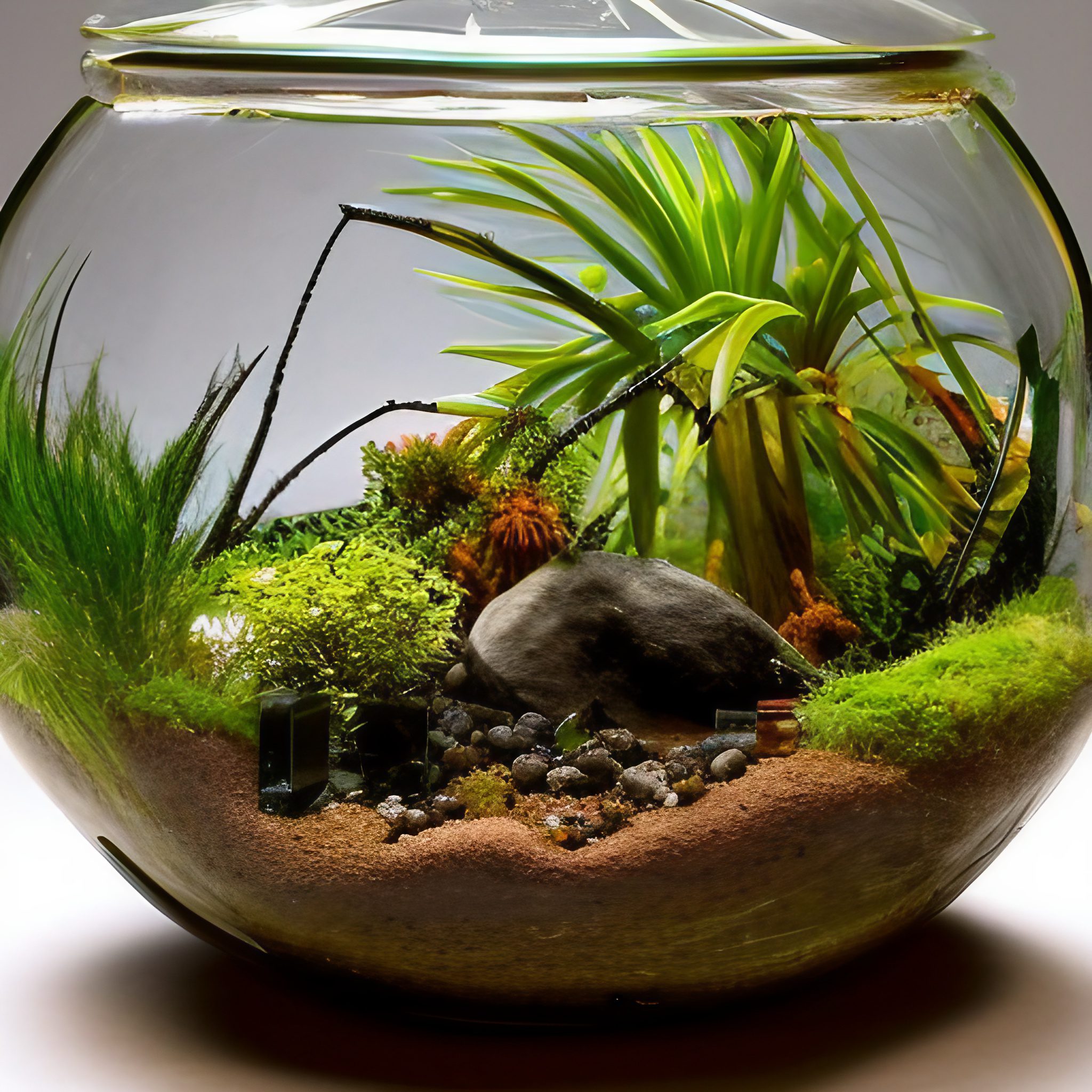
Plants Suitable for Closed Terrariums
Check out some of these terrarium plants that will do great in a closed terrarium environment.
Want more terrarium plant ideas?
Visit our Terrarium Plant Library
A terrarium plant database to help you find the best plants for your terrarium. Check out our guide to the best plants for terrariums and information on how to care for terrarium plants. Check it out >