Leucobryum glaucum in Terrariums: Suitability, Behaviour and Best Use
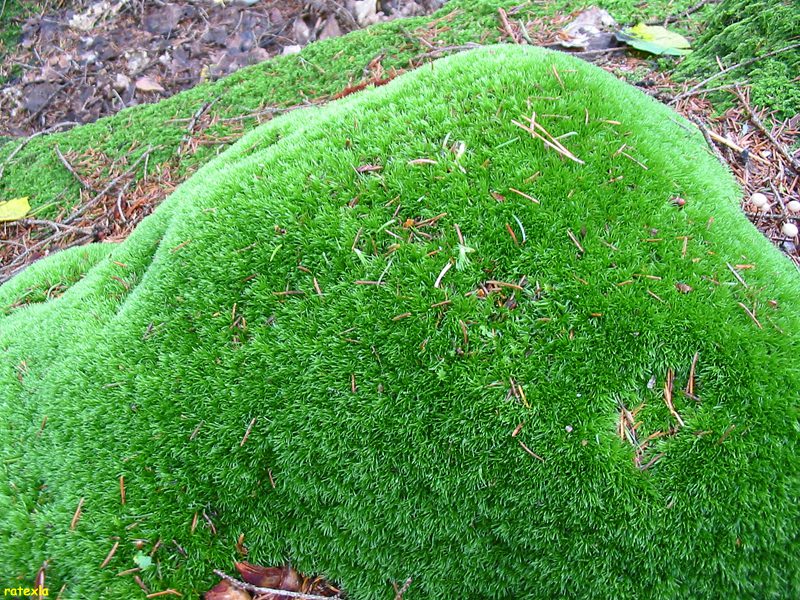
Leucobryum glaucum, commonly known as pincushion moss, is one of the most distinctive mosses used in terrariums. Its dense rounded mounds, pale glaucous green colour and velvety texture make it especially useful where structure, softness and a woodland look are needed. Availability can vary, so current listings can be found here:
Leucobryum glaucum on Etsy.
Leucobryum glaucum summary
Leucobryum glaucum is one of the clearest examples of a moss that can transform the look of a terrarium immediately. It adds age, softness and topography in a way that flatter mosses do not, and it works especially well in enclosed woodland-style builds.
Terrarium suitability overview
- Closed terrariums: Highly suitable
- Open terrariums: Suitable if humidity remains high
- Small sealed jars: Suitable with careful moisture control
- Paludariums: Suitable in humid upper zones, not submerged areas
Plant profile
- Difficulty: Easy to moderate
- Growth rate: Slow
- Maintenance: Low
- Humidity: High
- Temperature: 15–24°C (59–75°F)
Terrarium suitability
Leucobryum glaucum is highly suited to terrariums because it naturally prefers moisture, stable humidity and reduced exposure to drying air. In the right setup it holds its cushion form well and becomes one of the most visually useful mosses available for miniature landscapes.
It is especially effective in woodland-style terrariums, moss-forward builds and compositions where rounded forms are needed to break up flatter surfaces.
Why use Leucobryum glaucum
- Creates distinct cushion-like mounds rather than flat coverage
- Adds structure and topography to small-scale landscapes
- Soft glaucous green colour contrasts well with darker foliage
- Useful for giving new terrariums a more established look
Where it works well
- Closed terrariums with stable humidity
- Woodland-style glass displays
- Mossariums and fern-based builds
- As a focal texture element around stone and wood
Where it fails
- Dry open interiors with no humidity support
- Hot direct sun through glass
- Submerged or swampy placements with standing water
- Sealed systems with stale air and mould pressure
Its main weakness is not fragility, but poor moisture balance. Too dry and it loses colour and density; too wet and it can decline from stagnation.
Climate and temperature
- Optimal range: 15–24°C (59–75°F)
- Lower threshold: cool conditions are tolerated better than for most tropical foliage plants
- Humidity: High, but not without ventilation
Leucobryum glaucum is more comfortable in cool to mild humid conditions than in hot terrariums. Warmth is tolerated, but heat combined with poor airflow can reduce quality quickly.
Light requirements
- Bright indirect light is ideal
- Lower light is tolerated in humid enclosed systems
- Direct sun can bleach, dry or overheat the cushion surface
It is best positioned where the terrarium receives soft, filtered light rather than harsh exposure.
Water and substrate behaviour
Leucobryum glaucum prefers evenly moist conditions and responds best when moisture is available around the base without the cushion being left sodden.
- Use moisture-retentive but airy substrate layers beneath it
- Acidic conditions are generally preferable
- Mist or rehydrate gently rather than soaking heavily
- Avoid standing water trapped around the base
Unlike some flatter mosses, pincushion moss has volume, so water distribution through the mound matters. Surface moisture alone is not always enough if the base dries completely.
Growth behaviour in terrariums
- Forms dense cushions rather than spreading quickly as a carpet
- Expands slowly
- Maintains a sculptural mound habit when conditions are stable
This makes it especially useful where a terrarium needs distinct mounds, raised texture or a sense of miniature terrain.
Placement within a terrarium
- Best used in the foreground or midground as a textured focal element
- Works well beside wood, bark, stones and fern planting
- Useful as a soft transition between hardscape and foliage plants
- Not ideal where taller aggressive plants will quickly shade or flatten it
Compatible plants
- Fittonia
- Calathea musaica
- Small ferns
- Other compact humidity-loving woodland species
Compared to Fittonia, Leucobryum glaucum is slower, more sculptural and less foliage-driven. Compared to trailing plants such as Philodendron hederaceum, it is far easier to contain and does not disturb the visual balance of small builds. Compared to flatter mosses, it adds more height and topographic character, making it especially useful when a terrarium needs structure rather than simple surface cover.
Lifespan in a terrarium
- Short-term display: Highly suitable
- Long-term enclosed terrarium: Highly suitable with proper moisture balance
- Requires occasional rehydration and tidying
Maintenance and control
Leucobryum glaucum is low-maintenance when humidity and moisture are stable. Most care involves removing debris, trimming damaged sections and adjusting moisture if the cushion begins to dry out or darken from excess wetness.
It does not usually require the kind of regular containment that faster-growing tropical plants need.
Common issues
- Drying and pale whitening from insufficient moisture
- Darkening or decline from stagnant overwatering
- Mould pressure in sealed systems with no ventilation
- Flattening when crowded by larger companion plants
Most problems come from moisture imbalance or poor airflow rather than from the moss being difficult in itself.
Where to buy Leucobryum glaucum
Leucobryum glaucum is sold by specialist terrarium and moss sellers more often than general indoor plant shops. These sources usually provide the most reliable range:
Explore the terrarium plant library
Leucobryum glaucum is one of the strongest moss options for enclosed terrarium builds. For broader plant selection and compatibility, explore the full plant library: