Tiny Plants for Tiny Gardens
There are a variety of plants that can be used for miniature gardens and terrariums. When choosing plants, think about the size of the pot or container you will be using, and then select plants that will fit well in that space.
There is no one best plant for a miniature garden or terrarium. The right choice depends on the size of your container, the amount of light it receives, and the level of humidity. The same goes for any miniature indoor garden — the best tiny plants are the ones that will stay in scale and thrive in the environment you create.
It can take a bit of time and research to find the right miniature plants, but it is well worth the effort. If you want to explore more options, head to the Terrarium Plant Library.
How do you make a miniature garden?
There are many ways to make a miniature garden, and the type of garden you make will depend on the plants you choose and the space you have available. If you are using a terrarium, it helps to choose plants that do well in humid environments and stay relatively compact over time. If you are making a miniature garden outdoors, you will need to choose plants that suit the amount of sun, shade, and airflow in that particular spot.
Are there many miniature plants?
Yes — there are plenty of miniature plants that work beautifully in terrariums and other small gardens. Some stay naturally compact, while others can be kept small with pruning and regular maintenance. The key is choosing plants with the right growth habit for the space.
Some of the most popular options include ferns, tropical foliage plants, mosses, vine plants, orchids, and compact terrarium favourites like Fittonia, Lemon Button Ferns, Peperomia Rosso, and Syngonium Pixie.
Popular Miniature Plants
Some of Our Top Miniature Plants for Terrariums and Miniature Indoor Gardens
Fittonia
Fittonia albivenis, also known as nerve plant, is one of the most popular small plants for terrariums and miniature gardens. It adds colour and texture without overwhelming the container, and many varieties stay relatively compact.
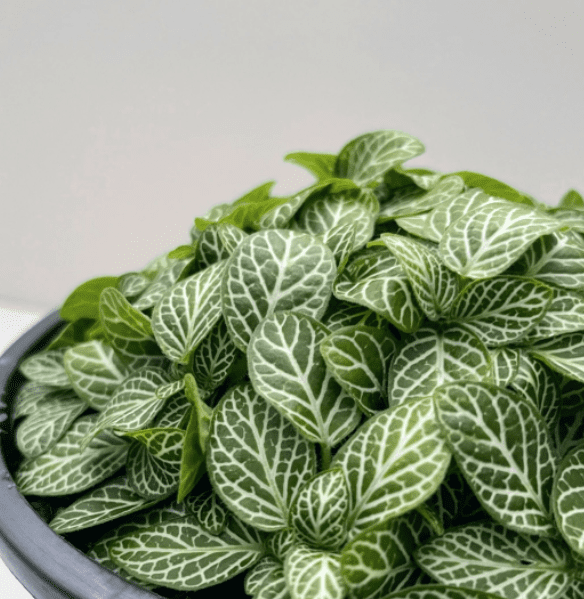
Fittonia thrives in moist, shady conditions and is ideal when you want to add a bit of contrast among green ferns and mosses. Read the full Fittonia care guide here.
Lemon Button Fern
Lemon Button Ferns are a great choice for tiny gardens because they have soft, delicate foliage and a naturally compact look. They help create that lush, layered feel that works so well in terrariums.
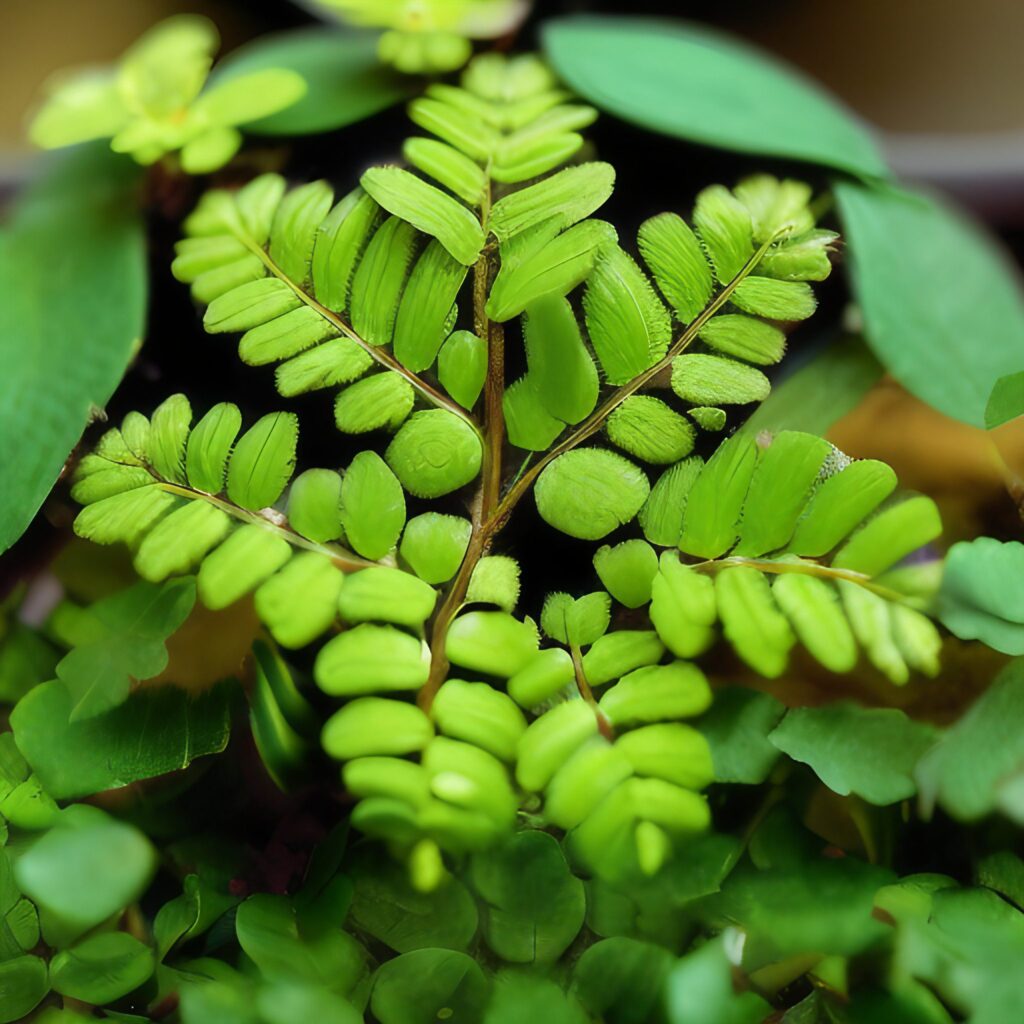
They are especially useful for adding fine texture and a fresh green colour without making the planting look too heavy. Read more in the Lemon Button Fern guide.
Peperomia Rosso
Peperomia Rosso is a compact plant with striking dark green leaves and rich red undersides. It works well when you want a tiny plant with a stronger visual presence.
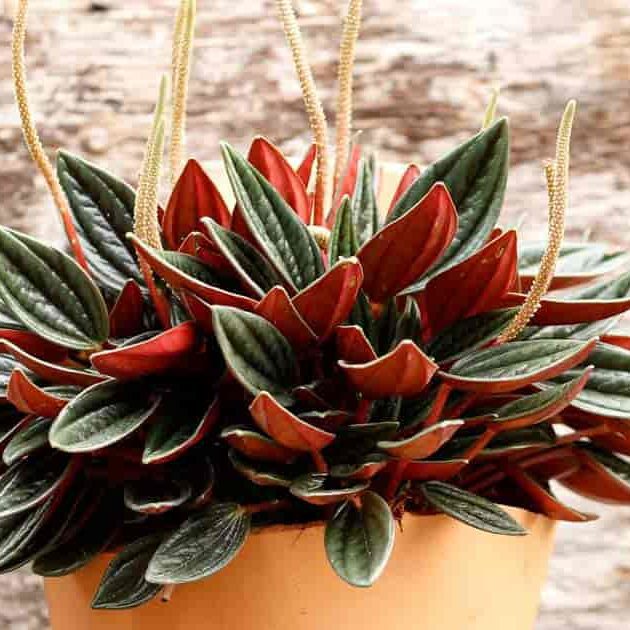
This is a good choice for adding shape and contrast to a miniature arrangement without using a large plant. Read the full Peperomia Rosso care guide.
Syngonium Pixie
Syngonium Pixie is a dwarf variety that brings tropical foliage into a much smaller scale. If you like the look of syngoniums but need something better suited to a tiny garden, this is a strong option.
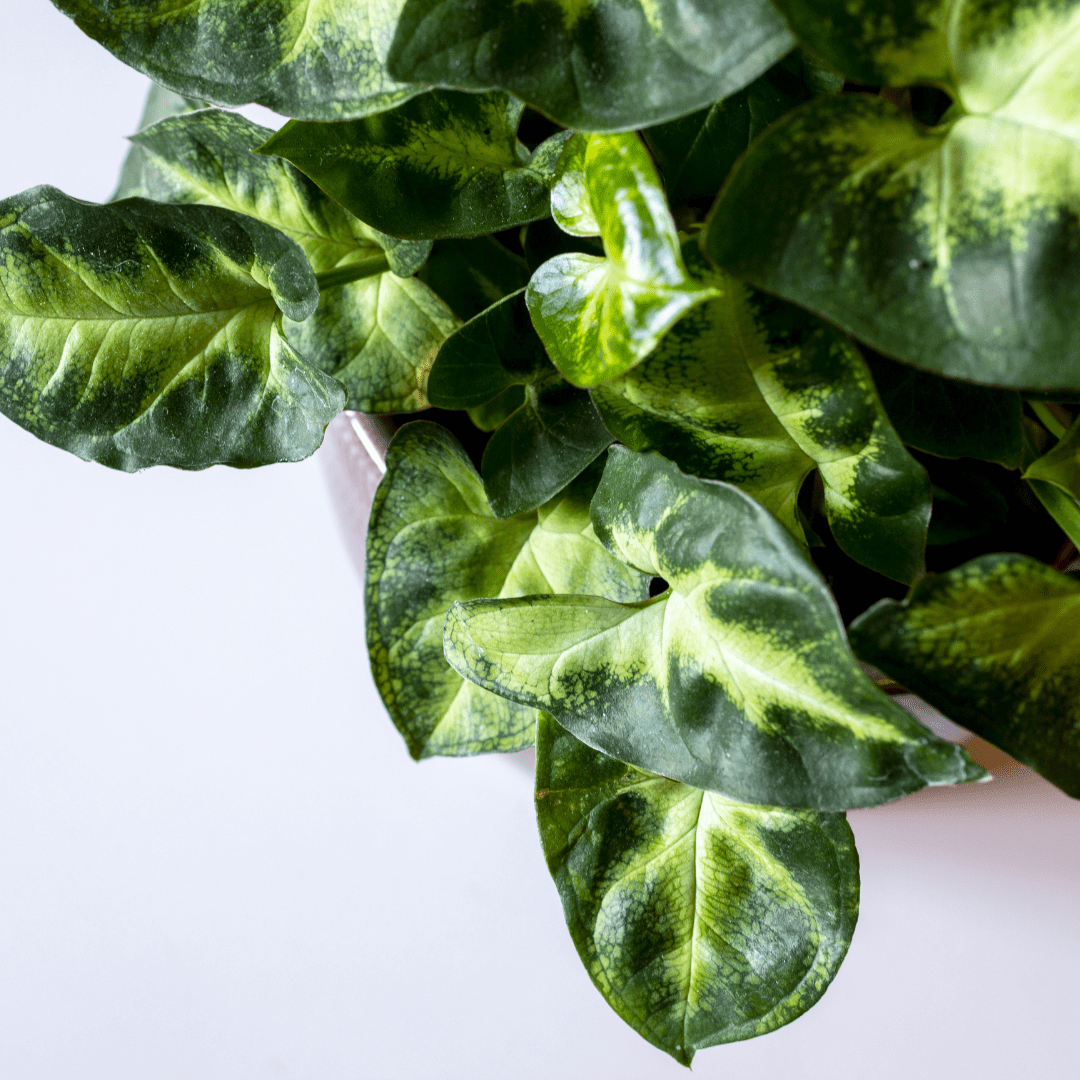
Its compact habit makes it useful for mid-layer planting in terrariums where you want soft, tropical foliage without excessive growth. Read the Syngonium Pixie guide here.
Compact Mosses
Mosses are one of the best choices for miniature gardens because they stay low, soften the overall design, and help create a natural landscape effect. Some mosses form dense mats, while others create a more textured, upright look.
If you want to explore different moss species that work well in terrariums, visit the Terrarium Plant Library and browse the moss category.
Ferns
Ferns are another excellent option for miniature gardens and terrariums because there are so many varieties to choose from. Some stay small and compact, while others are better suited to slightly larger containers.
Good examples to explore include Lemon Button Ferns, Boston Ferns, and Crispy Wave Fern.
How to choose the best tiny plants
When selecting miniature plants, it helps to think about:
- Size: choose plants that stay compact or grow slowly
- Humidity: many terrarium plants prefer higher humidity
- Light: match the plant to the light your space actually receives
- Texture: combine fine foliage, bold leaves, and soft ground cover for balance
A miniature garden usually looks best when you keep the plant list tight rather than overcrowding the space.
Final Thoughts
There are many tiny plants that work well in terrariums and miniature gardens. The best results usually come from choosing a small number of plants that stay in scale, suit the environment, and bring different shapes and textures to the design.
For more miniature plant ideas, care guides, and inspiration, browse the full Terrarium Plant Library.