Crispy Wave Fern in Terrariums: Suitability, Structure and Care
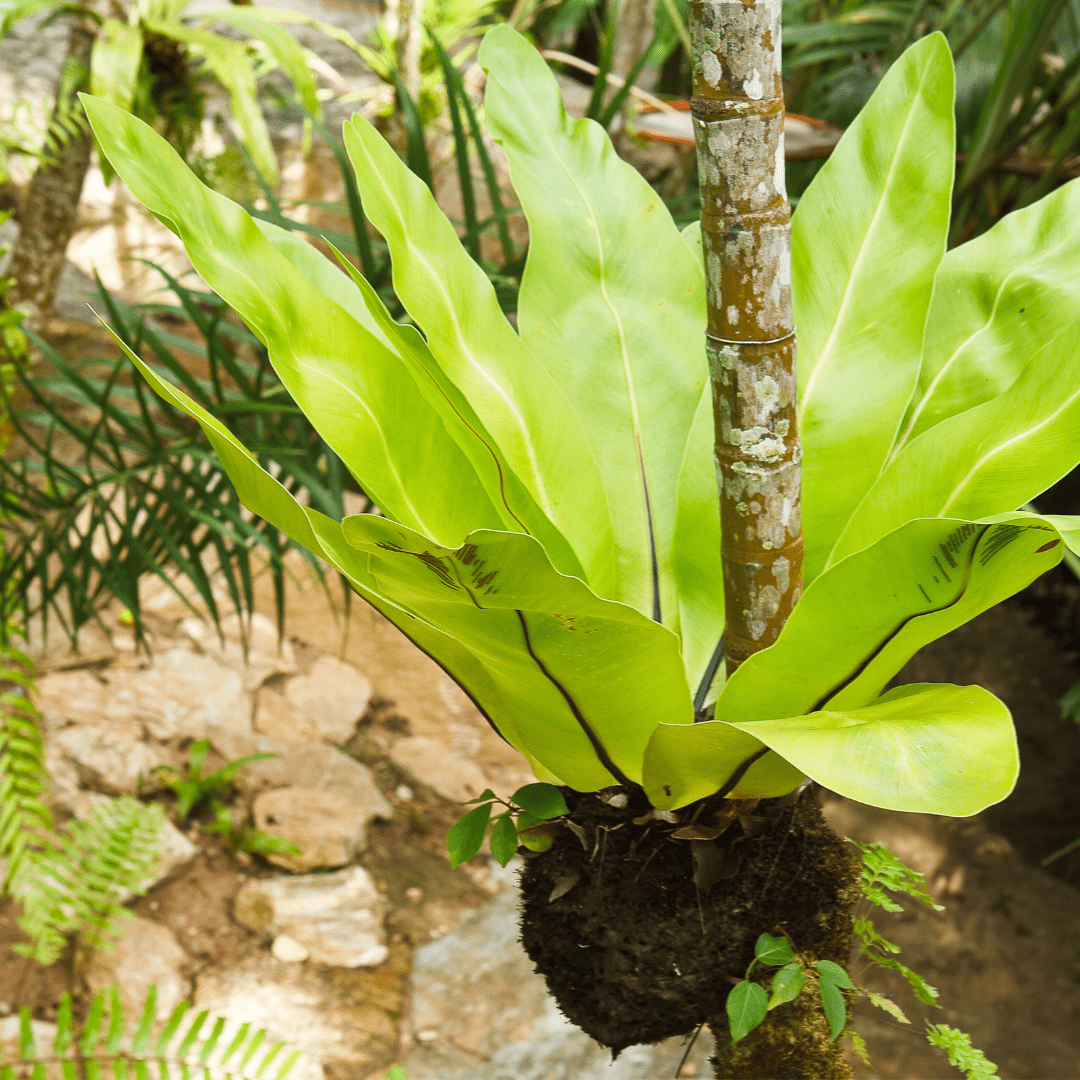
Crispy Wave Fern (Asplenium nidus ‘Crispy Wave’), a cultivar of the bird’s nest fern, is known for its upright, wavy fronds and architectural form. It is often used in terrariums and glass planters where a structured focal plant is needed, though its size and growth habit mean it is better suited to larger builds. Browse current listings here:
Crispy Wave Fern on Etsy.
Crispy Wave Fern summary
Crispy Wave Fern behaves differently to many small terrarium plants. Rather than spreading or trailing, it grows in a central rosette, creating a strong visual focal point. This makes it valuable in design, but also limits where it can be used effectively.
Terrarium suitability overview
- Closed terrariums: Moderate fit
- Open terrariums: Good fit
- Small sealed jars: Not suitable
- Large builds: Strong feature plant
Common names and plant type
- Botanical name: Asplenium nidus ‘Crispy Wave’
- Common names: Crispy Wave Fern, Bird’s Nest Fern
- Plant type: Upright tropical fern
Terrarium suitability
This fern is best used as a feature plant in larger terrariums. It requires space to grow upward and outward, and it does not suit confined environments where fronds will press against glass.
In smaller setups, it often becomes visually dominant and difficult to manage.
Climate and environmental requirements
- Temperature: 18–26°C (65–79°F)
- Humidity: Moderate to high
- Light: Bright indirect light
Humidity helps maintain healthy fronds, but this plant is slightly more tolerant of variation than delicate ferns.
Water and substrate behaviour
- Prefers consistently moist substrate
- Does not tolerate water sitting in the crown
- Requires good drainage
Water should be directed to the soil rather than the centre of the plant to avoid rot.
Growth behaviour
- Upright rosette growth
- Expands outward over time
- Maintains a defined structure
This makes it visually stable but spatially demanding compared to smaller plants.
Propagation
- Does not propagate easily through division
- Propagation is typically done via spores
- Not commonly propagated in terrarium setups
Pests and problems
- Crown rot from water sitting in the centre
- Leaf damage from low humidity
- Occasional pests such as scale or mites
Most issues are caused by watering technique rather than general care.
Maintenance and control
Minimal pruning is required, though damaged fronds should be removed to maintain appearance.
Space management is more important than trimming, as the plant grows as a single unit.
Where it works well
- Large terrariums with space for vertical growth
- Open glass planters
- Feature-focused designs
Where it fails
- Small enclosed terrariums
- Overcrowded builds
- Containers with poor airflow
The main limitation is size rather than care difficulty.
Compatible plants
Compared to Lemon Button Fern, Crispy Wave Fern is larger and more structural. Compared to moss, it adds height and form. Compared to Fittonia, it is less reactive but requires more space.
Lifespan in a terrarium
- Short-term: Good
- Long-term: Good in large, stable builds
With enough space and proper watering, it can remain stable for extended periods.
Common issues
- Water damage in the crown
- Fronds pressing against glass
- Loss of shape in confined spaces
Most issues are related to size and placement rather than care difficulty.