Geometric Glass Terrarium
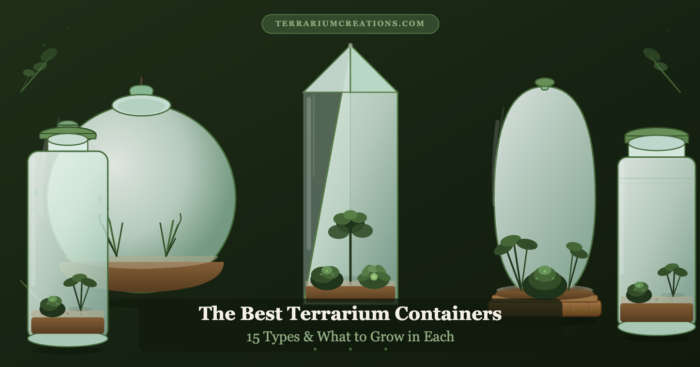
If you’re new to terrariums, start here. Geometric glass terrariums are widely available, affordable, and work for almost any plant type. Open-top versions suit succulents; lidded versions create a closed moss ecosystem. Hard to go wrong.
1. Geometric Glass Terrarium
The go-to for most beginners. Multi-faceted glass panels let light in from every angle and make the internal planting look like a display piece from any direction. Available open-topped for succulents or lidded for closed moss builds.
Succulents · Moss · Ferns
💧 Low–moderate
$ – $$
2. Wardian Case
A Victorian-era botanical cabinet reimagined as a home display piece. Hinged or removable glass panels make planting and maintenance easy, and the enclosed environment is perfect for high-humidity tropicals and orchids.
Tropical · Orchids · CPs
💧 Moderate
$$ – $$$
3. Open Glass Bowl
Affordable, widely available, and forgiving for beginners. Works best with drought-tolerant plants that dislike trapped humidity. A gravel base layer replaces drainage holes. Try a mix of succulents, cacti, and a small piece of driftwood.
Succulents · Cacti · Air plants
💧 Low
$
4. Apothecary / Sealed Jar
The classic closed terrarium vessel. An airtight lid creates a self-contained water cycle — moisture evaporates, condenses on the glass, and drips back to the roots. With the right planting, these can run for months without any watering at all.
Moss · Ferns · Liverworts
💧 Minimal
$ – $$
5. Hanging Glass Globe
Sphere-shaped hanging terrariums add vertical greenery without taking up bench space. The best plant candidates are air plants (Tillandsia) — they need no soil, just a light misting weekly. Position the opening downward or sideways for natural drainage.
Air plants · Small succulents
💧 Mist only
$ – $$
6. Rectangular Glass Tank
Repurposed aquarium tanks are the most versatile terrarium container available. The wide footprint suits proper hardscaping with rocks, wood, and layered substrate. A screen mesh lid provides airflow. Available in large size ranges from pet stores.
Tropicals · Vivarium plants
💧 Moderate–high
$ – $$
7. Lightbulb Terrarium
A miniature conversation starter. The narrow neck limits plant choices to moss clumps, air plants, or small succulents, but the visual payoff is excellent. Often sold as complete DIY kits with planting tools included — they make great gifts.
Moss · Air plants
💧 Minimal
$
8. Cloche / Bell Jar
A glass cloche on a timber or slate base looks more like a sculpture than a plant pot. The dome traps humidity and lifting it for watering takes seconds. Makes a beautiful gift. Works best with ferns, moss, and delicate tropical groundcovers like fittonia.
Moss · Ferns · Fittonia
💧 Low–moderate
$$ – $$$
9. Teardrop Hanging Glass
Somewhere between a globe and a vase, the teardrop shape gives roots more depth while keeping the visual lightness of a hanging display. Popular in boho and Japandi interiors. Air plants and small succulents suit the narrow top opening best.
Air plants · Succulents
💧 Mist only
$
10. Mason Jar / Recycled Jar
The most accessible starting point for any beginner — likely already in your kitchen. Wide-mouth mason jars are ideal for small closed terrariums. Pasta sauce jars, pickle jars, and jam jars all work too. Just wash them thoroughly before use.
Moss · Ferns · Succulents
💧 Minimal (closed)
$
11. Cylinder / Column Terrarium
Tall cylindrical containers reward plants that grow upward — ferns, selaginella, and trailing vines look particularly good when given height. The narrow footprint makes them ideal for shelves or corners where a wide container won’t fit.
Ferns · Selaginella · Climbers
💧 Moderate
$ – $$
12. Shallow Tray / Dish Garden
A wide, low tray or bonsai dish creates a landscape-style display — think miniature terrain with rocks, sand, and low-growing plants rather than a bottle garden. Perfect for succulent arrangements, cacti clusters, or Japanese-inspired moss and stone compositions.
Succulents · Cacti · Bonsai moss
💧 Low
$
13. Wall-Mounted Frame Terrarium
A shadow-box style frame filled with living or preserved moss is essentially a painting that breathes. Best with sheet moss, preserved moss, or ferns that won’t outgrow their shallow depth quickly. A striking statement piece for lounge rooms and offices.
Sheet moss · Ferns
💧 Low–none (preserved)
$$ – $$$
14. Tall Vase / Carnivorous Plant Container
Carnivorous plants love the naturally humid microclimate a tall vase creates. Use pure sphagnum moss as substrate, sit the base in a shallow tray of rainwater, and leave the top open for airflow. Keep in a bright spot — these plants need full sun or a grow light.
Venus flytrap · Sundews · Pitchers
💧 Keep wet (rainwater only)
$
15. Front-Opening Vivarium Cabinet
The gold standard for bioactive reptile and dart frog enclosures. Swing-open front doors allow easy maintenance; the tall format suits UV lighting rigs and misting systems. A serious investment — but if you want a self-sustaining living ecosystem, this is where you end up.
Dart frogs · Reptiles · Bioactive
💧 Misting system
$$$
Quick Comparison: All 15 Container Types
| Container | Open / Closed | Best Plants | Watering | Price |
|---|---|---|---|---|
| Geometric glass | Either | Succulents, moss, ferns | Low–moderate | $ – $$ |
| Wardian case | Closed | Orchids, tropicals, CPs | Moderate | $$ – $$$ |
| Open bowl | Open | Succulents, cacti, air plants | Low | $ |
| Apothecary jar | Closed | Moss, ferns, liverworts | Minimal | $ – $$ |
| Hanging globe | Open | Air plants, small succulents | Mist only | $ – $$ |
| Rectangular tank | Open (mesh lid) | Tropicals, vivarium plants | Moderate–high | $ – $$ |
| Lightbulb | Open / narrow | Moss, air plants | Minimal | $ |
| Cloche / bell jar | Enclosed | Moss, ferns, fittonia | Low–moderate | $$ – $$$ |
| Teardrop hanging | Open | Air plants, succulents | Mist only | $ |
| Mason jar | Either | Moss, ferns, succulents | Minimal (closed) | $ |
| Cylinder / column | Either | Ferns, selaginella, climbers | Moderate | $ – $$ |
| Shallow tray | Open | Succulents, cacti, bonsai moss | Low | $ |
| Wall-mounted frame | Semi-open | Sheet moss, preserved moss, ferns | Low–none | $$ – $$$ |
| Tall vase | Open top | Venus flytrap, sundews, pitchers | Keep wet | $ |
| Front-opening vivarium | Enclosed / ventilated | Dart frogs, reptiles, bioactive | Misting system | $$$ |
What to Look for When Buying a Terrarium Container
Frequently Asked Questions
What is the best container for a closed terrarium?
Can you use any glass jar as a terrarium?
Do terrarium containers need drainage holes?
What size terrarium container should a beginner start with?
What’s the difference between an open and closed terrarium?
Where can I buy terrarium containers in Australia?
Ready to Start Building?
Browse terrarium containers, supplies, and handmade pieces across Amazon AU and Etsy.
Shop Terrarium Supplies on Amazon
Or browse by category on Etsy