Essential Terrarium Building Supplies – Complete Guide | Terrarium Creations
Complete Guide

Essential Terrarium
Building Supplies

Everything you need to build a thriving terrarium — from the perfect container to the right soil, tools, and finishing touches. Start here before you buy anything.

🌿 14 supply categories covered ✅ Printable checklist

Building a terrarium is one of the most satisfying creative projects you can undertake — a tiny, self-contained world that grows and changes over time. But getting it right starts with having the right supplies. Use the wrong substrate and your plants will struggle. Skip the drainage layer and you'll be fighting root rot. Choose the wrong container and you'll lose precious humidity.

This guide covers every supply category you'll need, explains why each one matters, and helps you make smart choices before you spend a cent. Use the interactive checklist at the bottom to plan your shopping list.

Already know what you need? Jump straight to the shop links section or try our Interactive Terrarium Builder to design yours first.

The Terrarium Layer System

🌿
Plants & Decorations Your chosen species, rocks, figurines
Top layer
🟫
Substrate / Potting Mix Species-appropriate growing medium
5–10 cm
🌾
Sphagnum Moss Barrier Separates soil from charcoal
1–2 cm
Activated Charcoal Filters toxins, prevents bacteria
1–2 cm
🪨
Drainage Layer Pebbles, LECA, or gravel
3–5 cm
Fine Mesh (optional) Prevents soil migration
Base

The classic terrarium layering system. Each layer plays a specific role in keeping your plants healthy.

1

Terrarium Containers

Your vessel sets the tone for everything else.

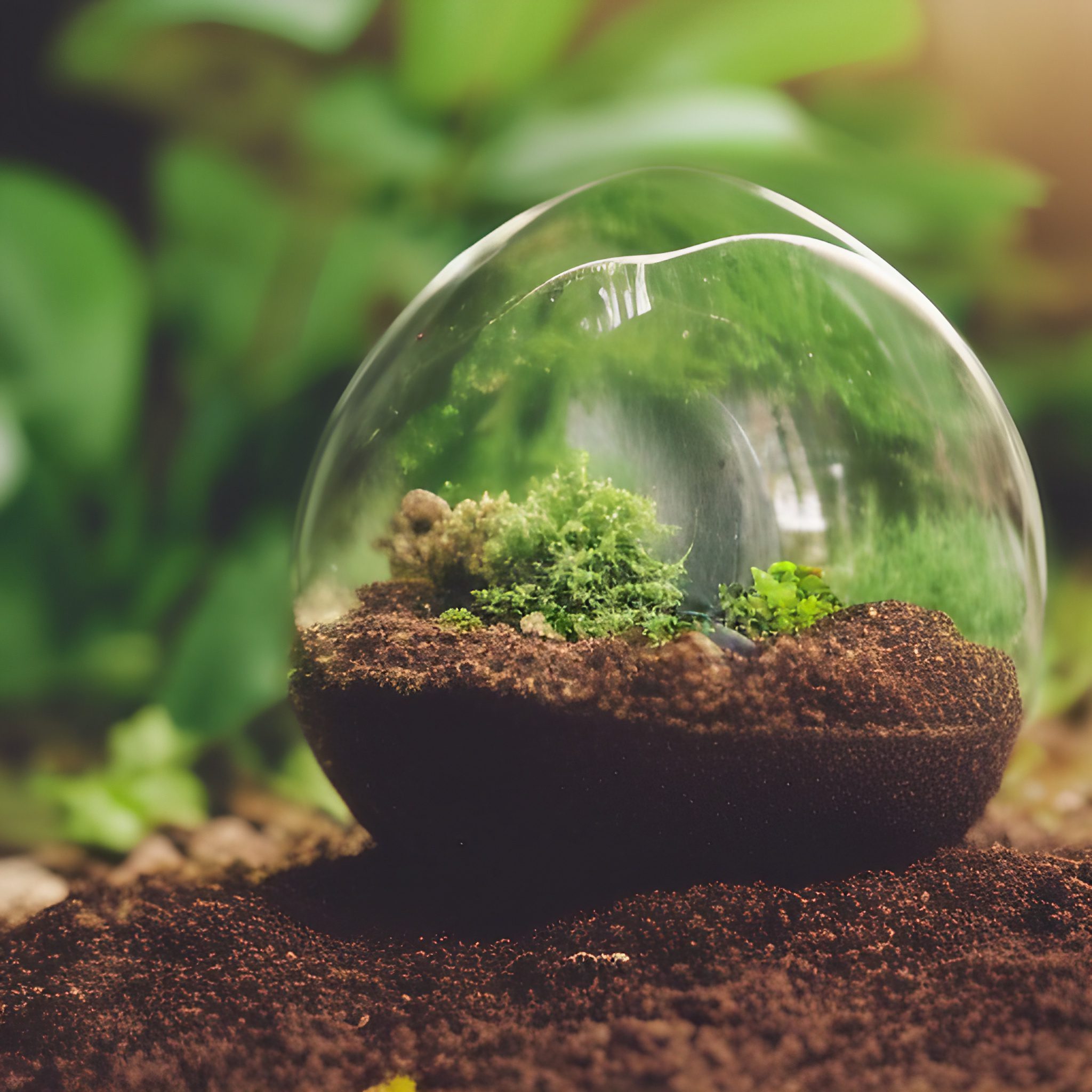
Glass bottle terrarium with plants

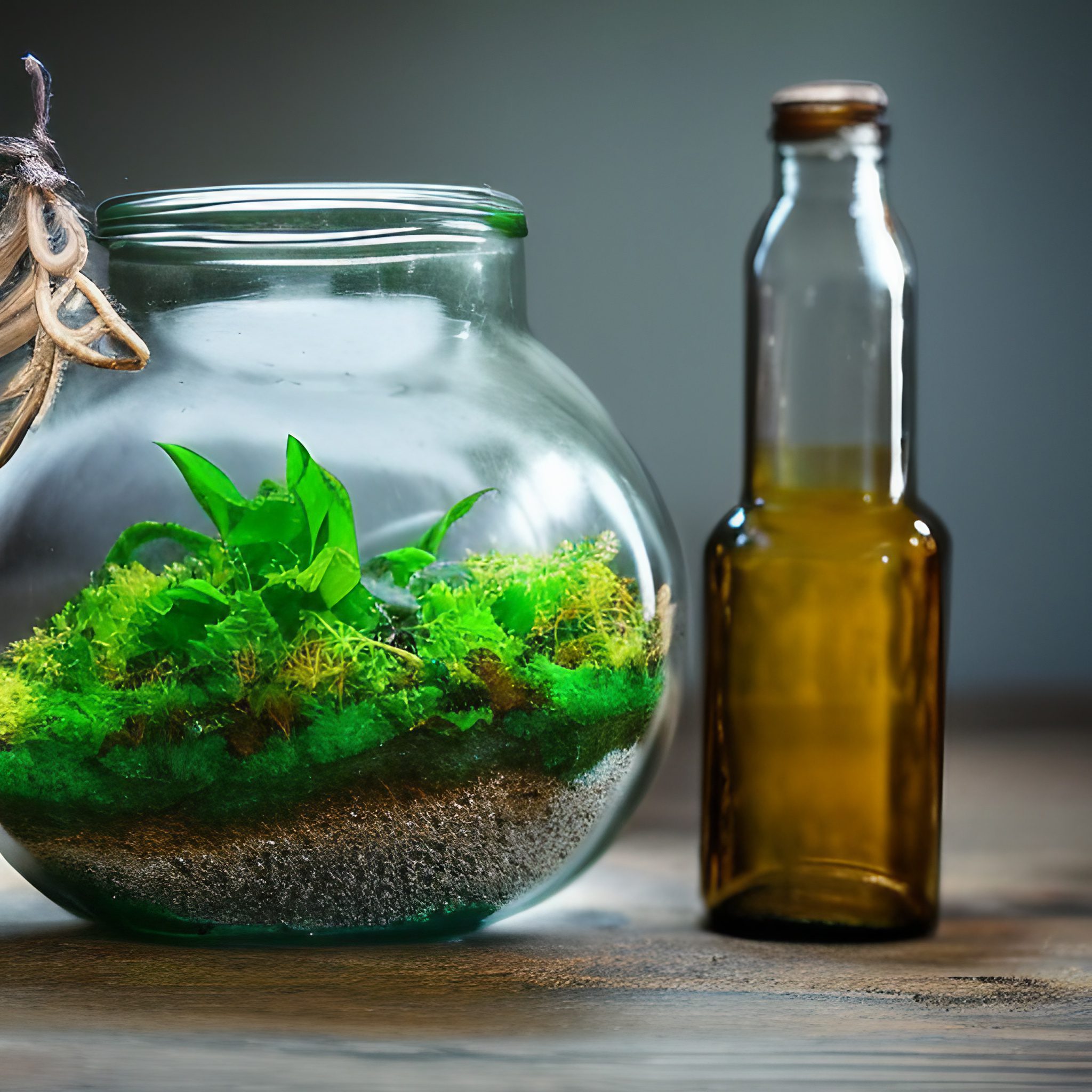
The container is the heart of your terrarium. It needs to be clear — glass or high-quality clear acrylic — so light can reach your plants. The shape, opening size, and whether it has a lid will determine what kind of terrarium you can build.

Open containers (no lid, or wide openings) are best for succulents, cacti, and air plants that prefer lower humidity and good airflow.

Closed containers work beautifully for tropical mosses, ferns, and humidity-loving plants that thrive in a self-sustaining microclimate.

🌵 Open Terrariums

  • Glass bowls & fishbowls
  • Open vases & geometric vessels
  • Wide-mouth mason jars
  • Hanging glass orbs
  • Wooden box frames with glass panels

🌿 Closed Terrariums

  • Glass jars with lids (Kilner etc.)
  • Apothecary jars
  • Wardian cases
  • Glass globes with cork lids
  • Repurposed bottles

💡 Pro Tips

  • Wider openings make planting and maintenance much easier — especially for beginners.
  • Thicker glass holds temperature and humidity better than thin glass.
  • Second-hand glassware from op shops can make gorgeous, unique terrariums.
  • Avoid coloured glass — it blocks light your plants need.
2

Drainage Layer Materials

The most important layer you'll never see.

Drainage layer materials including gravel and pebbles

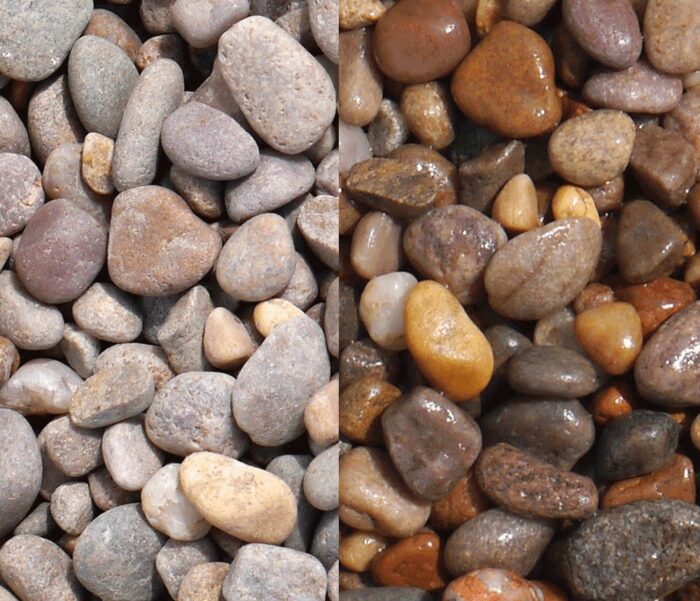
Without proper drainage, water accumulates at the root zone and causes rot — the number one killer of terrarium plants. The drainage layer sits at the base of your container and acts as a reservoir for excess water, away from plant roots.

Aim for a drainage layer of 3–5 cm for most terrariums, more for larger builds. The material doesn't need to be pretty since it sits at the bottom, but choosing a decorative pebble can look lovely if your container is clear.

Material Drainage Best For Notes
Pea Gravel ⭐⭐⭐⭐ Most terrariums Affordable, widely available
LECA / Clay Pebbles ⭐⭐⭐⭐⭐ Tropical & closed Lightweight, excellent airflow
River Pebbles ⭐⭐⭐⭐ Decorative / clear glass Beautiful when visible through glass
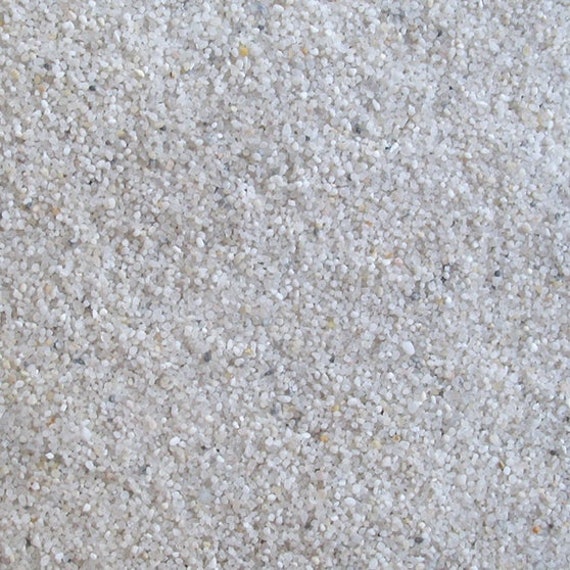
Coarse Sand ⭐⭐⭐ Desert / cactus Mix with gravel for best results
Pumice ⭐⭐⭐⭐⭐ Succulents & cacti Superb aeration, very lightweight
3

Activated Charcoal

The silent guardian of your ecosystem.

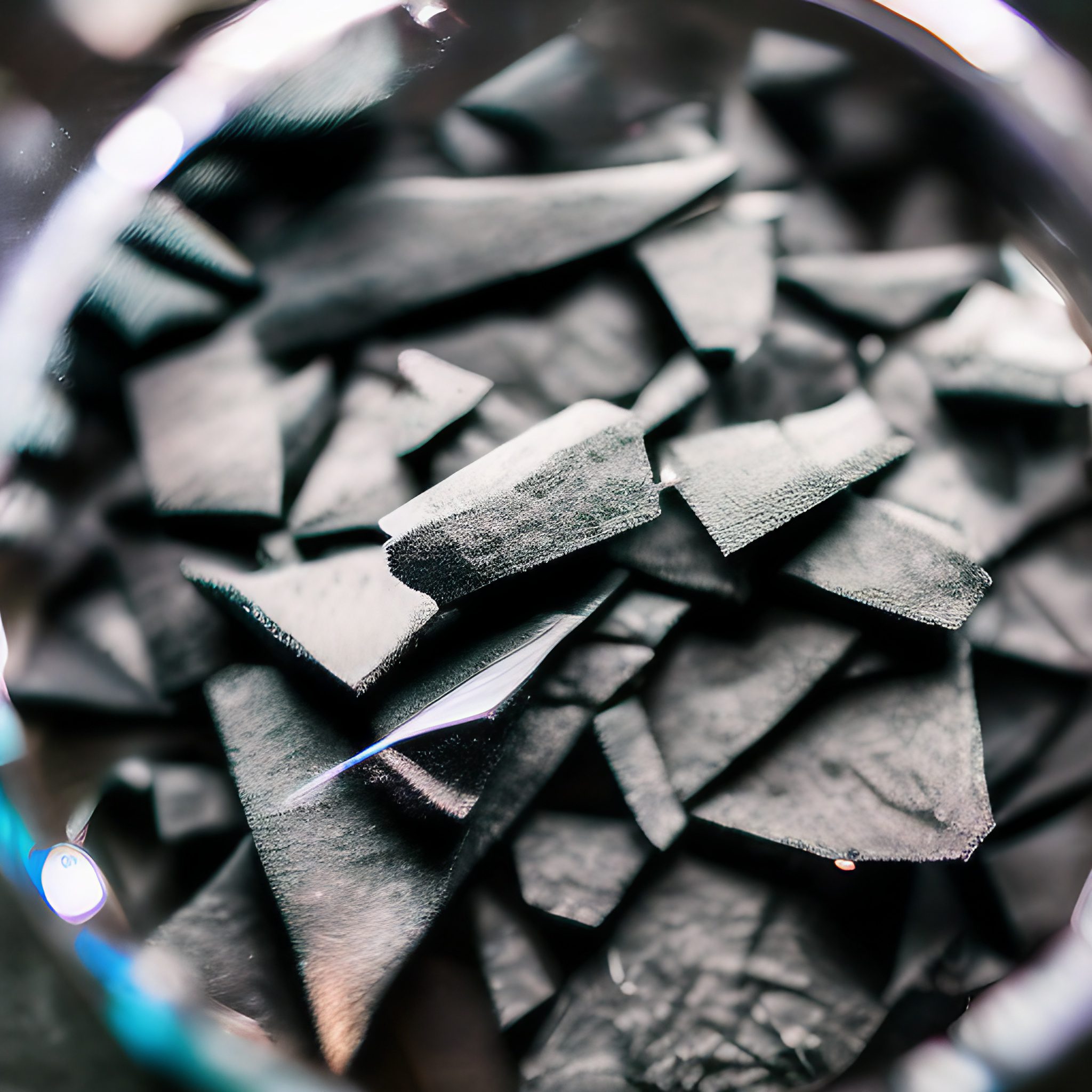
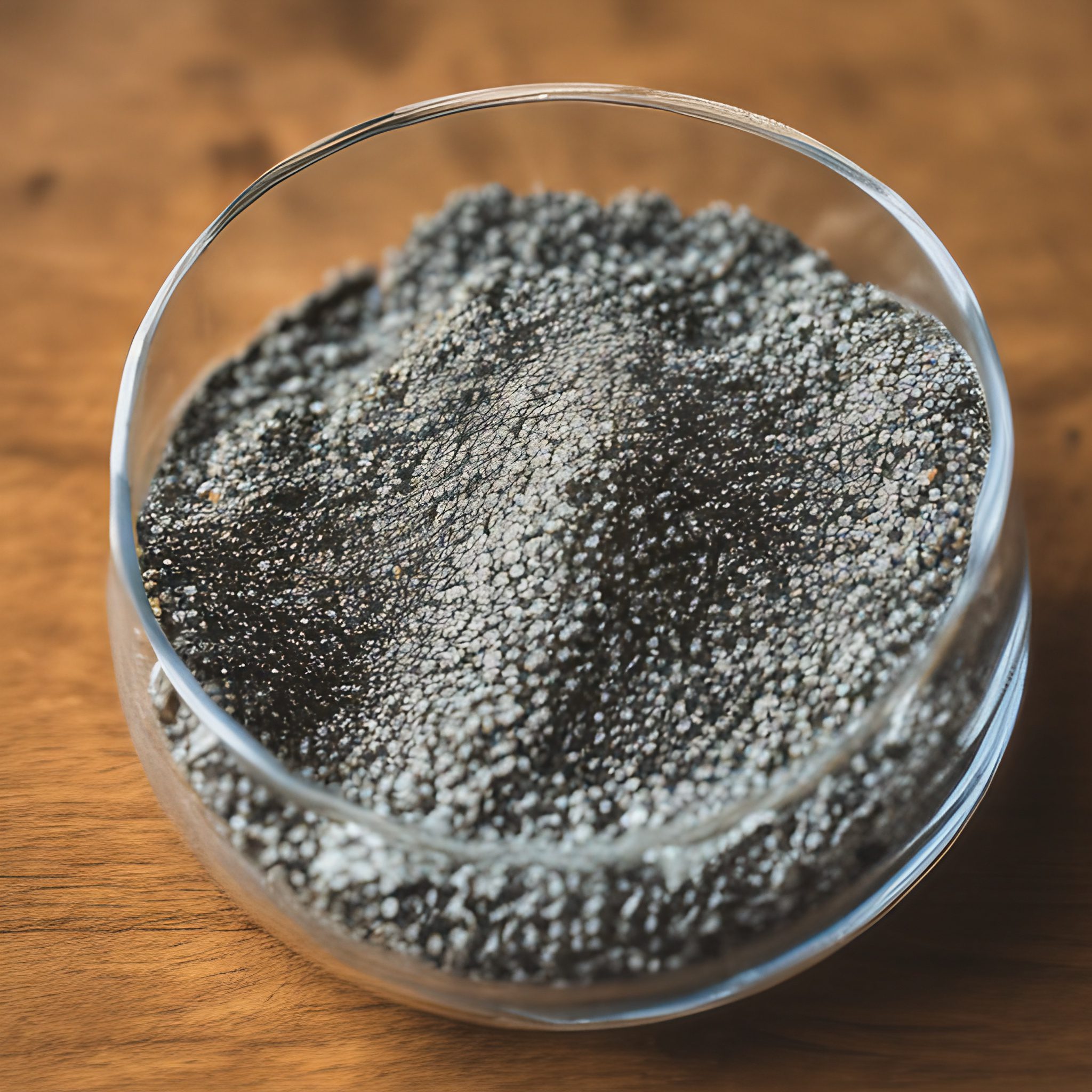
Activated charcoal for terrariums

Activated charcoal (also called activated carbon) is essential for closed terrariums and highly recommended for open ones. It works by binding to toxins, bacteria, and odour-causing compounds in the soil and water, preventing the build-up that can turn a healthy ecosystem stagnant.

Even a thin layer (1–2 cm) placed above the drainage layer and below the substrate makes a significant difference. For closed terrariums especially, it can mean the difference between a thriving ecosystem and a smelly, algae-ridden one.

⚠️ Don't confuse activated charcoal with BBQ charcoal. Charcoal briquettes contain additives that are harmful to plants. Always use horticultural or aquarium-grade activated charcoal.

💡 Tips

  • Rinse activated charcoal before use to remove fine dust.
  • For very small containers, a single layer of charcoal granules is enough.
  • Some builders mix charcoal directly into the substrate — this also works well.
4

Sphagnum Moss & Sheet Moss

A moisture-regulator and beautiful surface layer.

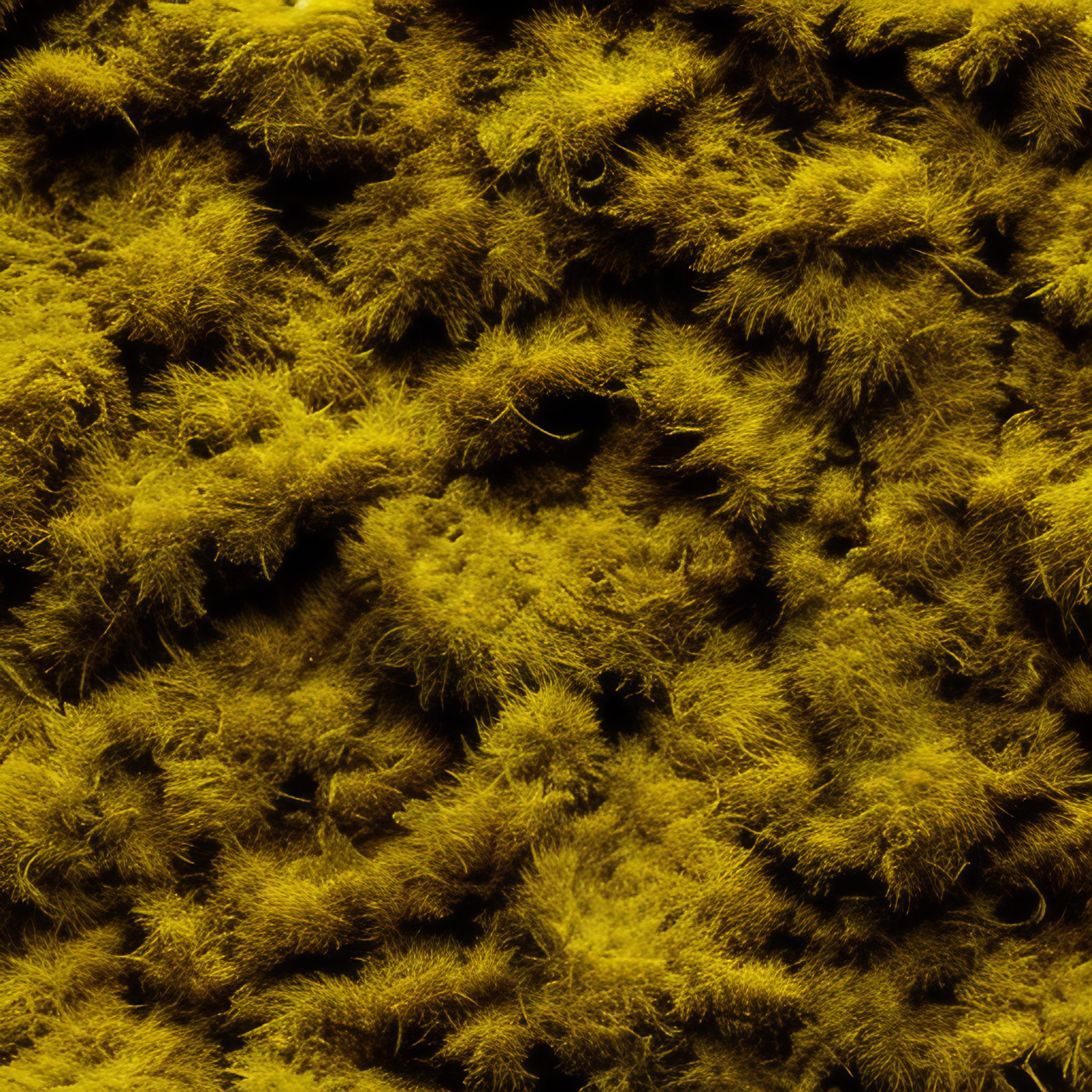
Sphagnum moss for terrariums

Moss is one of the most versatile supplies in your terrarium toolkit. It serves multiple roles: as a barrier layer between drainage and substrate, as a decorative surface cover, and as a living plant in its own right.

Sphagnum moss (dried) is used as a separator layer — it prevents fine soil particles from washing down into the drainage layer and clogging it. It also retains moisture and releases it slowly.

Sheet moss / cushion moss (live or preserved) is used as a surface covering, adding that lush, forest-floor look. Live mosses in a closed terrarium can actually grow and spread over time.

Reindeer moss (usually preserved/dyed) is popular for open terrariums and decorative displays. It doesn't grow but keeps its texture beautifully.

5

Terrarium Soil & Substrate

Not all potting mixes are created equal.

Terrarium soils and substrates

The substrate is where your plants live, and getting it right is critical. Standard potting mix is usually too dense and retains too much moisture for most terrariums. You need a mix that drains freely, resists compaction over time, and provides appropriate nutrients for your chosen plants.

Substrate Best For Key Property
Tropical potting mix Ferns, fittonias, peperomia Moisture-retentive but aerated
Cactus / succulent mix Cacti, succulents, haworthia Fast-draining, gritty
Peat-based mix Carnivorous plants Acidic, nutrient-poor (intentional)
ABG mix (Aroid/Bromeliad/Gecko) Vivarium-style builds Long-lasting, bioactive-friendly
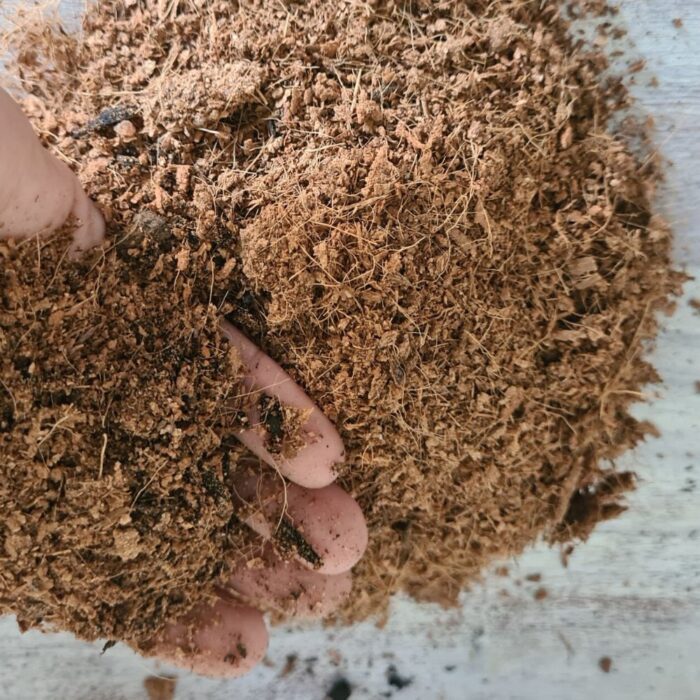
Coco coir All terrarium types Sustainable peat alternative
Perlite Amendment for any mix Dramatically improves drainage

💡 DIY Substrate Mix (Tropical)

  • 2 parts tropical potting mix
  • 1 part perlite or coarse sand
  • 1 part coco coir
  • Optional: small amount of worm castings for nutrients
6

Terrarium Lids & Covers

Controlling humidity in closed terrariums.

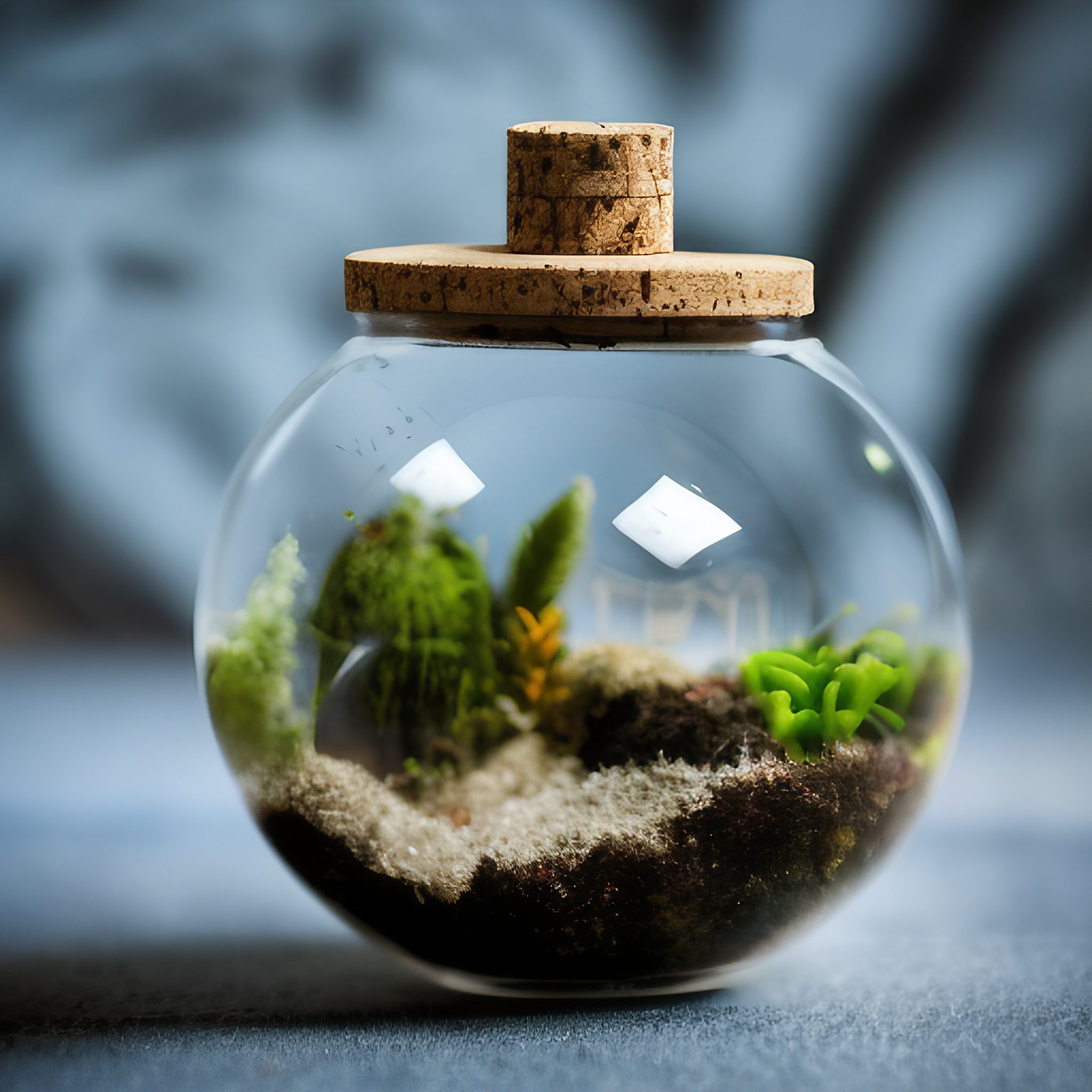
Terrarium lids and covers

For closed terrariums, the lid is what creates and maintains the miniature water cycle that makes them so low-maintenance. Water evaporates from the soil, condenses on the glass, and drips back down — a self-sustaining loop.

The lid doesn't have to be airtight for most plants. In fact, slightly imperfect seals allow a little fresh air exchange, which many tropical species appreciate.

💡 Lid Options

  • Cork lids: Natural, sustainable, and available in many sizes. Classic terrarium look.
  • Glass lids: Best for tight humidity seals — ideal for moss and fern builds.
  • Wire mesh / hardware cloth: Good for ventilated open-style lids or reptile builds.
  • Plastic wrap (temporary): Useful while plants establish, then remove for more airflow.
  • No lid at all: Perfectly fine for open terrariums and desert builds.

For jar-style terrariums, a rubber-sealed Kilner lid creates an excellent seal. You can always crack it open for 30–60 minutes a day if condensation becomes excessive.

Not sure what to build?

Try our interactive Terrarium Builder to design your layout, pick your plants, and generate a custom shopping list.

🌿 Launch Terrarium Builder
7

Terrarium Tools

The right tools make building (and maintenance) a pleasure.

You don't need every tool in existence, but having a few key pieces makes a genuine difference — especially when you're working with small-necked containers. Read our full terrarium tools guide for detailed reviews.

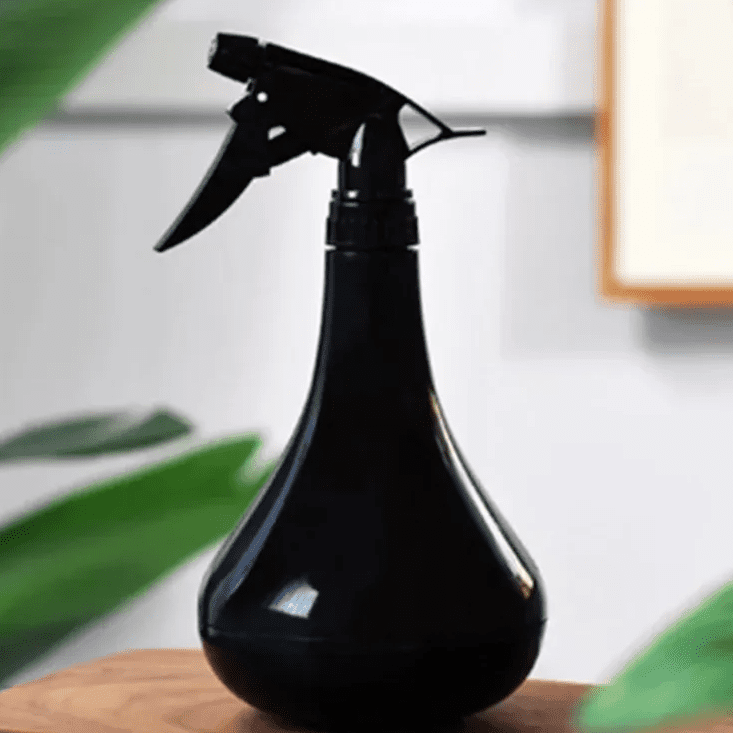
Misting spray bottle

Misting Spray Bottle

Essential for watering without overwatering. A fine mist means you wet the soil gently without disturbing layers. Use for humidity maintenance in closed terrariums.

Shop Etsy
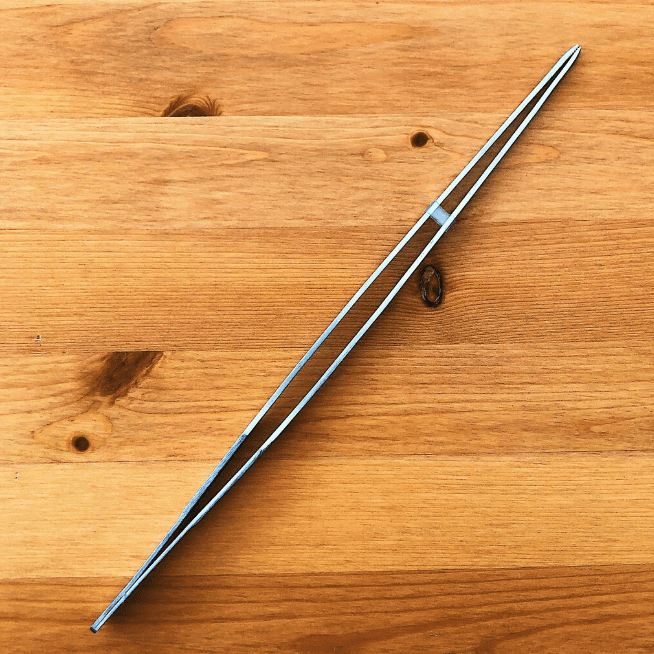
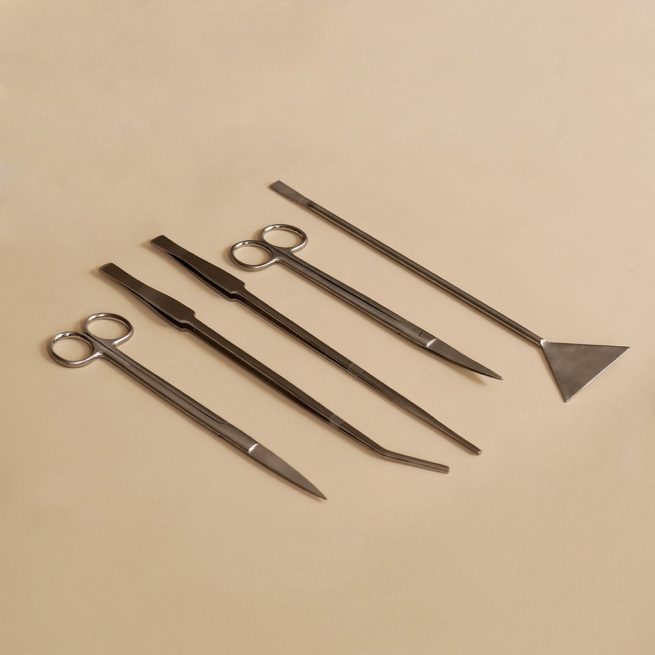
Terrarium tweezers and tongs

Tongs & Tweezers

Long-handled tweezers and tongs let you place plants precisely without crushing delicate stems. Indispensable for bottle terrariums and narrow-necked builds.

Shop Etsy
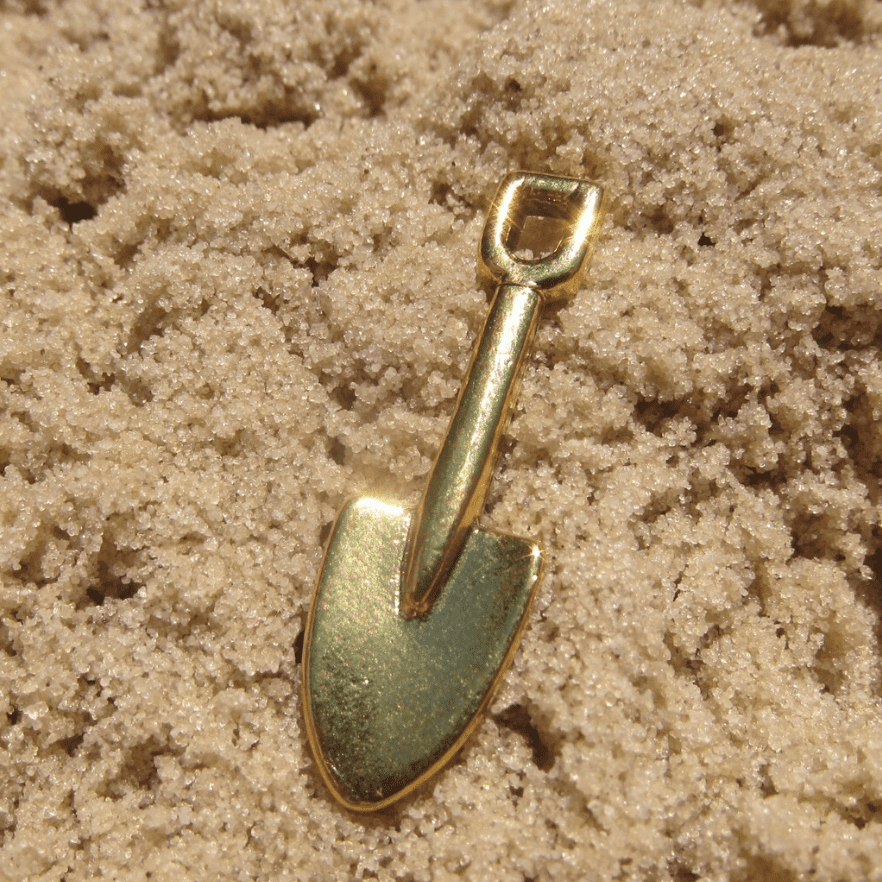
Mini terrarium shovel

Mini Shovel & Scoop

Small shovels and scoops let you add and arrange substrate with precision. Especially useful for layering drainage, charcoal, and soil without mixing them.

Shop Etsy
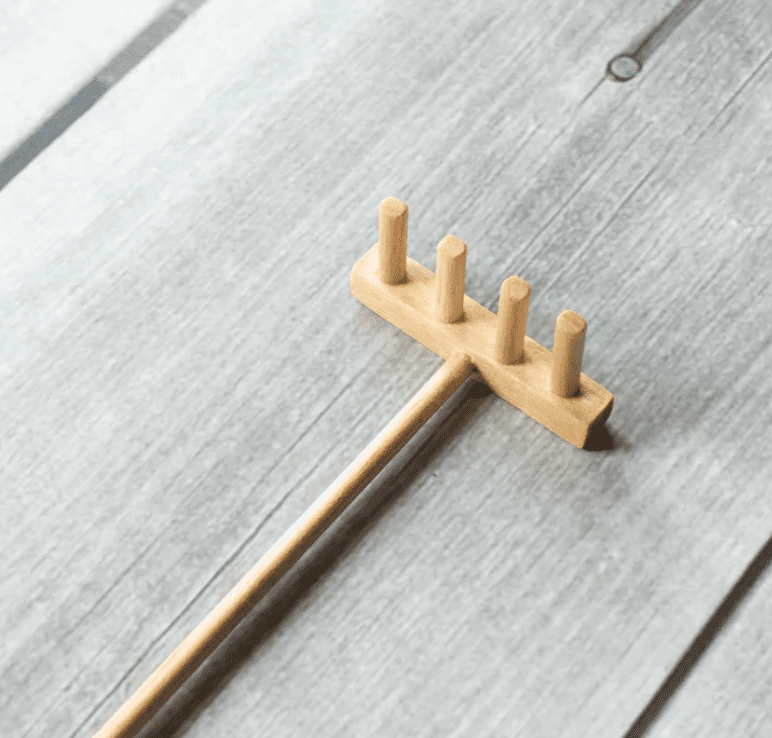
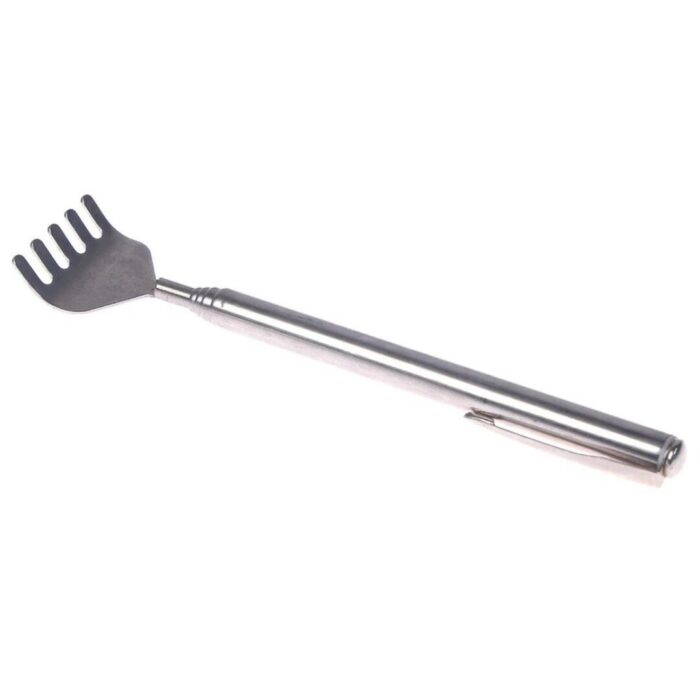
Terrarium rake

Terrarium Rake

Rakes help level substrate, break up clumps, and create natural-looking undulations in the soil surface. The extendable versions are great for taller containers.

Shop Etsy
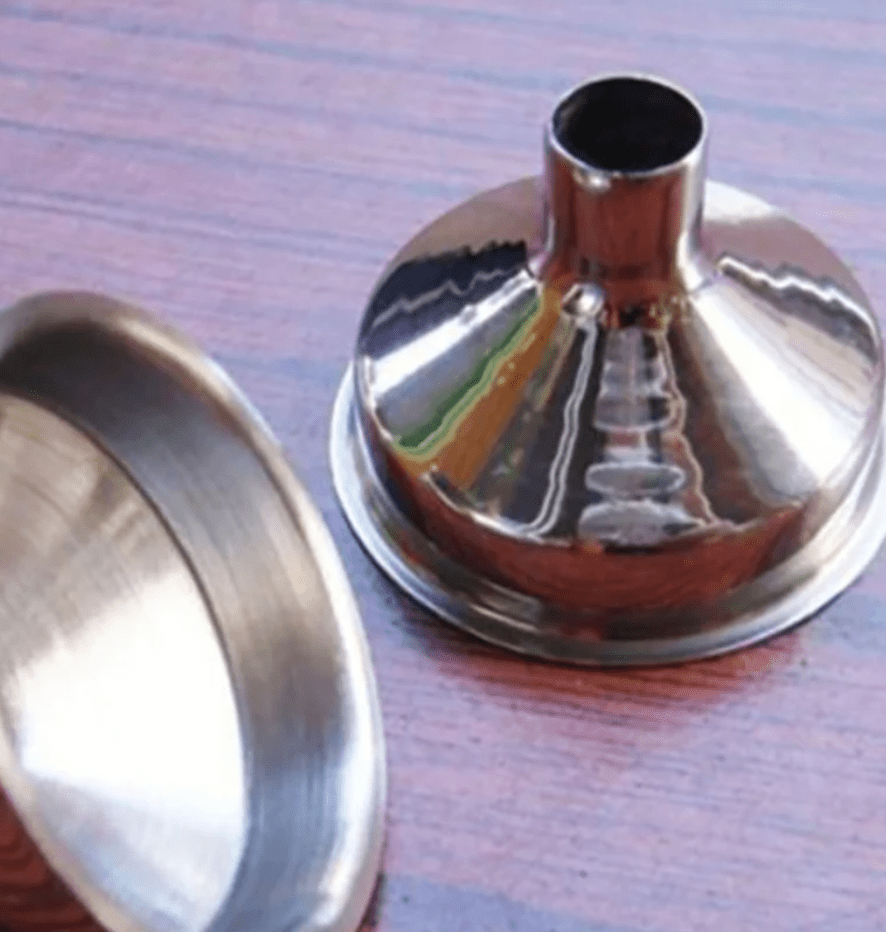
Terrarium funnel

Funnel

A narrow funnel lets you add pebbles, charcoal, and soil to small-openings containers without making a mess on the glass walls. DIY option: roll card stock into a cone.

Shop Etsy
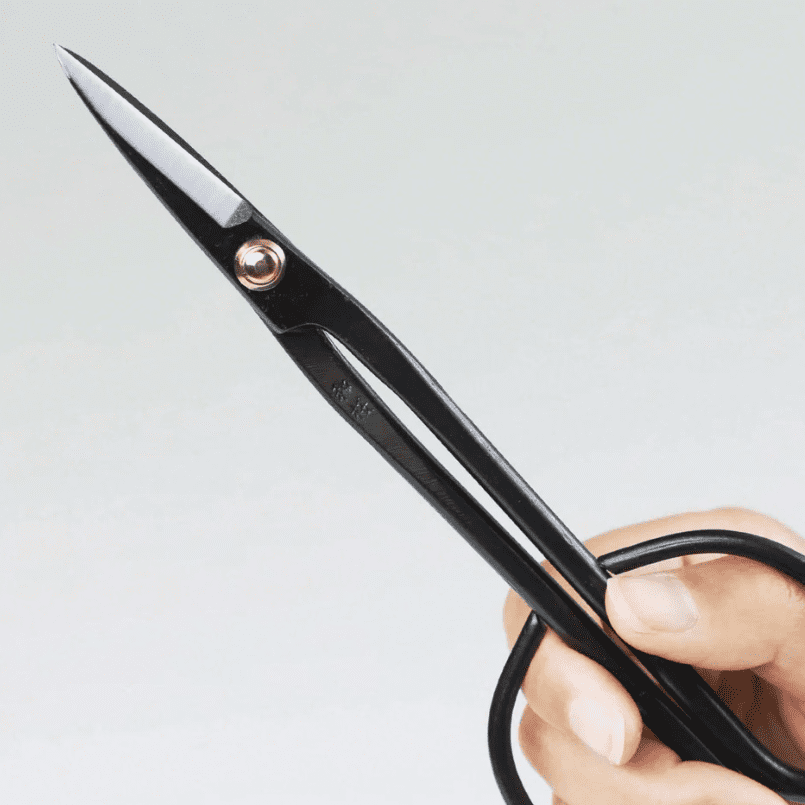
Terrarium scissors

Terrarium Scissors

Long-handled curved scissors let you trim overgrowth, remove dead leaves, and shape plants without disturbing roots. A must-have for ongoing maintenance.

Shop Etsy
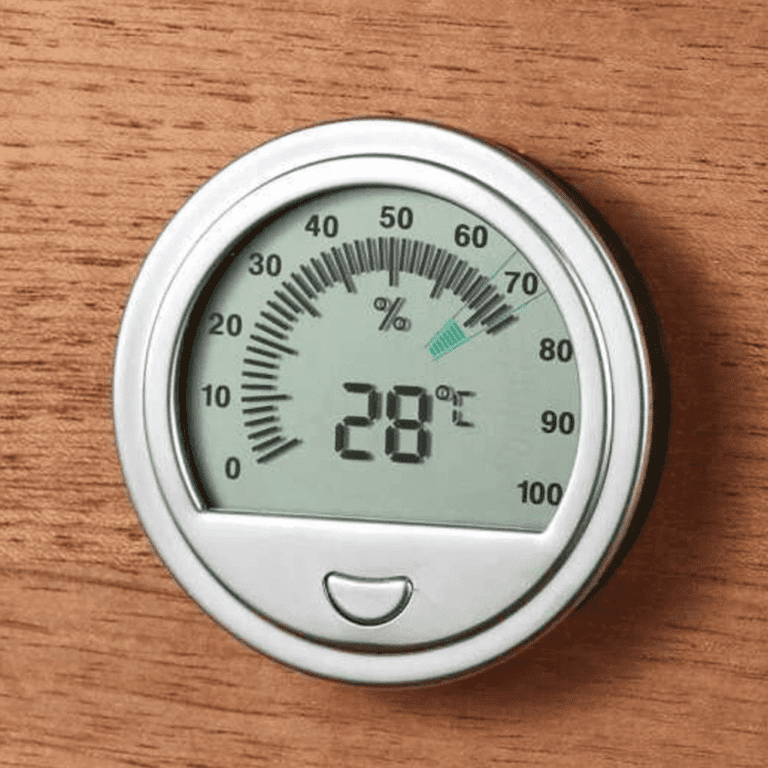
Hygrometer for terrariums

Hygrometer / Humidity Gauge

Monitor humidity levels inside your terrarium. Particularly important for carnivorous plants and tropical moss builds where you're targeting a specific humidity range (usually 70–90%).

Amazon AU Amazon US
Terrarium glass cleaning supplies

Glass Cleaning Supplies

Algae and mineral deposits build up on glass over time. Long-handled soft brushes and microfibre cloths keep glass crystal clear without introducing chemical residue.

Shop Etsy
Terrarium tool kit

Terrarium Tool Kit

Get everything in one purchase. A good kit typically includes tweezers, rake, shovel, scissors, and a spray bottle — everything a beginner needs to get started.

Shop Etsy
8

Plants

The living soul of every terrarium.

Plants are the star of the show. Choosing species that are compatible with your container type and environment is the most important creative decision you'll make. As a rule: group plants with similar care requirements (humidity, light, watering needs) together.

🌿 Closed Terrarium Plants

  • Fittonia (nerve plant)
  • Miniature ferns
  • Peperomia
  • Moss varieties
  • Selaginella
  • Miniature orchids

🌵 Open Terrarium Plants

  • Succulents (echeveria, haworthia)
  • Cacti
  • Air plants (Tillandsia)
  • Aloe vera (miniature)
  • Sedum varieties
  • Agave (small species)
9

Decorations & Accessories

Give your terrarium personality.

Decorations are optional but they're what make a terrarium distinctly yours. They add scale, storytelling, and visual interest. Keep them in proportion — oversized items can make a small build look cluttered.

💡 Popular Terrarium Decorations

  • Rocks & crystals: Natural stones, quartz, amethyst points — adds texture and earthy beauty. See our gemstones in terrariums guide.
  • Driftwood & branches: Creates natural structure and height variation.
  • Miniature figurines: Fairy doors, tiny animals, woodland characters — popular for fairy garden builds.
  • Sand art: Coloured sand poured in decorative layers, visible through clear glass.
  • Preserved moss art: Framed or arranged preserved moss as a background feature.
  • Shells: Great for coastal or beach-themed terrariums.
10

Terrarium Lighting

When natural light isn't enough.

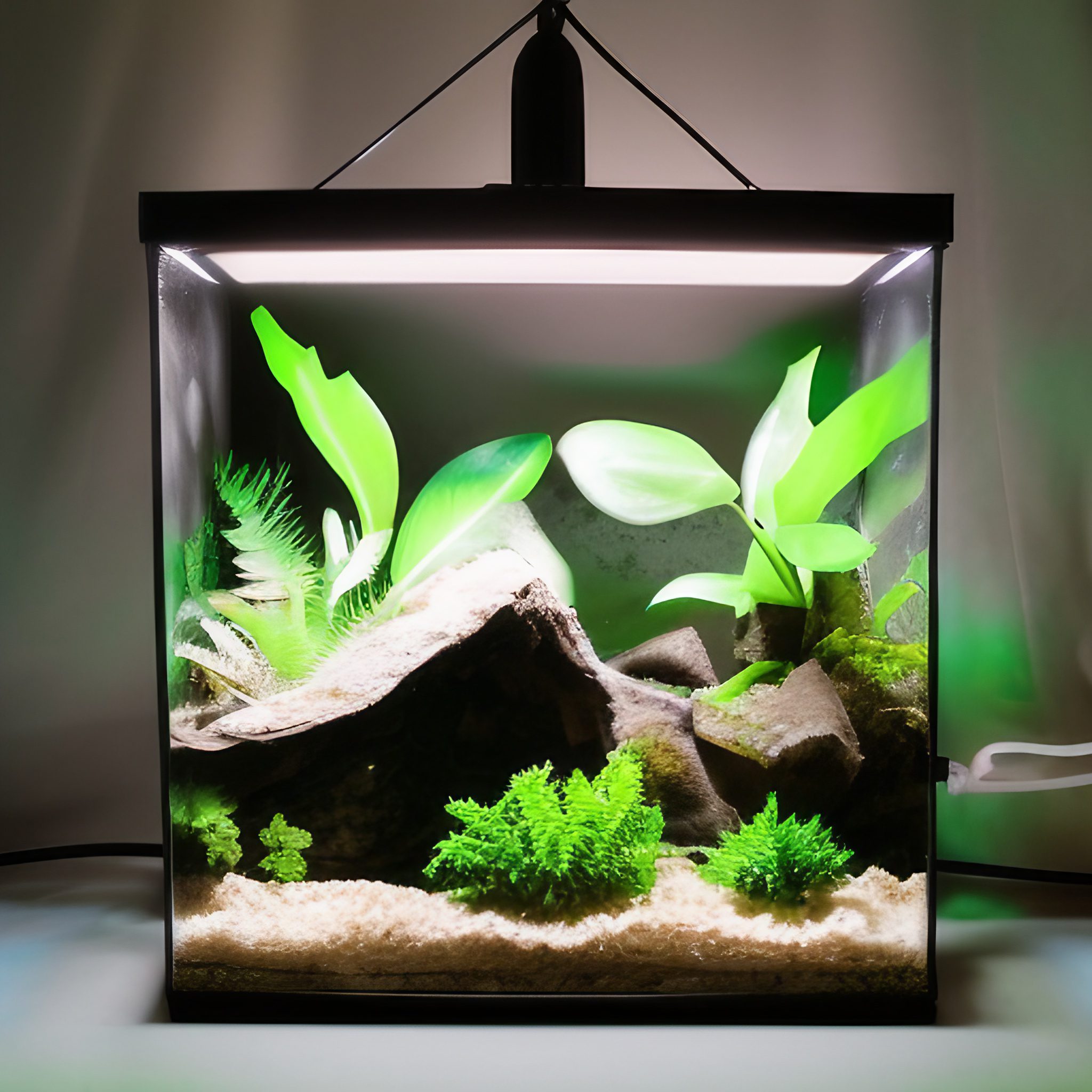
Most terrariums thrive in bright, indirect natural light. But if you're keeping your terrarium in a darker room, or if you want your plants to really push growth, a dedicated grow light makes a significant difference.

Modern LED grow lights are compact, low-heat, and energy-efficient. Look for a full-spectrum light with a colour temperature of 5000–6500K for general-use terrariums, or a broader spectrum if you're growing ferns and tropical plants that need both red and blue wavelengths.

⚠️ Avoid direct sunlight through glass. Glass magnifies UV intensity and can scorch or dry out plants rapidly, even shade-loving species.

Where to Buy Terrarium Supplies

Browse all three platforms below for the widest range of options.

Supply Reference: What You Need vs. What's Optional

Supply Closed Terrarium Open Terrarium Desert / Cactus
Container Required Required Required
Drainage Layer Required Required Required
Activated Charcoal Required Recommended Optional
Sphagnum Moss Recommended Optional Optional
Substrate / Soil Required Required Required
Lid Required Optional Not needed
Misting Bottle Recommended Recommended Optional
Tongs / Tweezers Recommended Optional Optional
Hygrometer Recommended Optional Not needed
Grow Light If low light If low light If indoors
Decorations Optional Optional Optional

🛒 Build Checklist

Tick off supplies as you gather them. Red = essential, green = optional.

Container / vessel
Drainage pebbles / LECA
Activated charcoal
Sphagnum moss (barrier)
Substrate / potting mix
Your chosen plants
Lid (closed terrariums)
Misting spray bottle
Tweezers / tongs
Mini shovel / scoop
Funnel
Pruning scissors
Hygrometer
Grow light
Decorations & rocks
Glass cleaning supplies

Frequently Asked Questions

Do I really need activated charcoal in a terrarium?
For closed terrariums, activated charcoal is strongly recommended — it prevents the bacterial and fungal build-up that causes odours and plant disease in sealed environments. For open terrariums you can skip it, but a thin layer still helps keep the substrate fresh over time.
Can I use regular potting mix in a terrarium?
Standard potting mix can work, but it often retains too much moisture and can compact over time, restricting root growth. It's better to either buy purpose-made terrarium mix or amend regular potting mix with perlite and coco coir for improved drainage. See our soil guide above for a DIY mix recipe.
What's the minimum I need to build a terrarium?
Bare minimum: container, drainage material, substrate, and plants. That's it. Everything else — charcoal, moss barrier, lid, tools — improves your chances of a healthy, long-lasting terrarium, but many simple open builds thrive with just the basics.
Where's the best place to buy terrarium supplies in Australia?
Etsy has an excellent range of specialist terrarium supplies from Australian and international sellers — often small businesses with high quality, unusual materials. Amazon AU is great for tools, grow lights, and substrate. Local nurseries and garden centres sometimes stock terrarium mixes and pebbles. eBay is also worth checking for bulk materials like gravel and sand.
Can I reuse an old fish tank as a terrarium?
Absolutely — old aquariums make brilliant terrariums, especially for larger builds or vivarium-style setups. Rinse thoroughly with water only (no soap or chemicals), let it air dry, and you're good to go. The larger footprint gives you much more creative freedom with layout and plant selection.
How do I know if my terrarium has too much moisture?
Some condensation on the glass is normal and healthy in a closed terrarium. However, if the glass is completely fogged with no clear zones, or if water is pooling on the surface of the soil, you likely have too much moisture. Crack the lid for a few hours a day until balance is restored. A hygrometer helps you monitor this precisely.

Love terrariums?

Join the TC community!

Sign up for updates and information about terrariums, terrarium design ideas, inspiration, deals and more.

We'll send you the occasional email update.